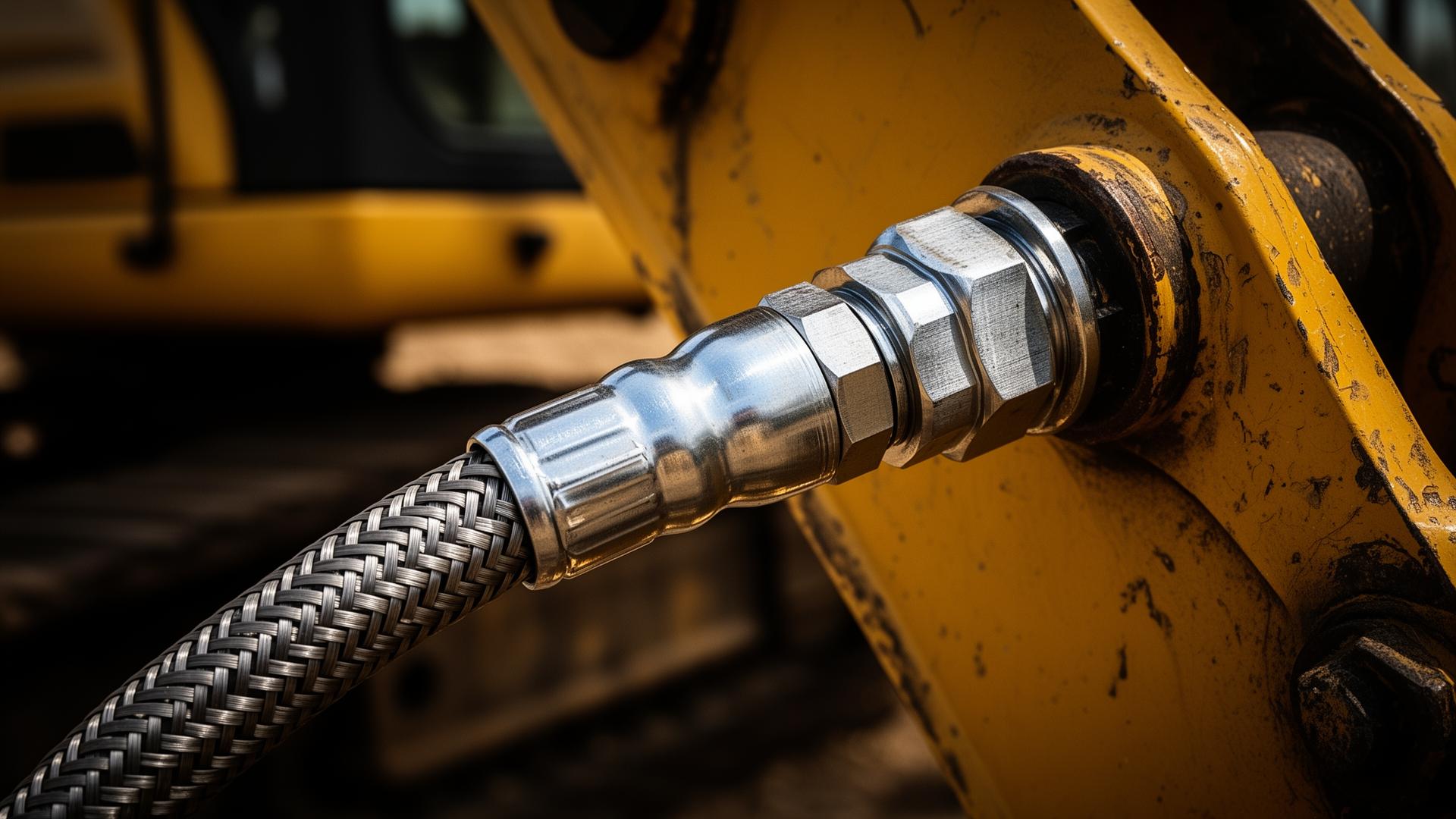
When a hydraulic fitting fails, I know it can turn a productive workday into a frustrating one pretty quickly. A leaking connection, damaged adaptor or incorrectly matched fitting can affect pressure, performance and, eventually, your entire operation.
That’s why I never treat fittings as simple little pieces of metal that connect one hose to another. The right component needs to match the hydraulic system, working pressure, fluid, equipment and operating environment. When I’m choosing Hydraulic Adaptors & Fittings Supply for machinery in Brisbane, I look at the complete application rather than simply choosing whatever looks like it fits.
For Brisbane businesses, I recommend working with a supplier that understands the equipment and the pressure demands behind the connection. You can explore Hydraulic Adaptors & Fittings Supply for access to hydraulic components, fittings, adaptors and related support across Brisbane North.
Why Hydraulic Adaptors and Fittings Matter
I often describe a hydraulic fitting as the handshake between different parts of a hydraulic system. If both sides fit properly, everything works smoothly. If they don’t, things can get messy — sometimes literally.
Hydraulic adaptors allow me to connect components with different thread types, sizes or configurations. Fittings can also help me route hydraulic lines, change direction, connect hoses and create secure connections between hydraulic components.
I pay particular attention to these components because hydraulic systems can operate at very high pressures. A poor connection can contribute to leaks, pressure loss, component damage and unexpected downtime.
For businesses running excavators, loaders, forklifts, agricultural machinery, trucks, cranes or industrial equipment, I see reliable hydraulic connections as a small investment that can protect a much bigger one.
1. I Check the Pressure Rating First
When I select hydraulic fittings, pressure rating sits near the top of my checklist.
I never choose a fitting simply because its dimensions look right. I first check the maximum working pressure of the hydraulic system and then make sure the fitting can safely handle the application.
I also consider pressure spikes. A system may normally operate at one pressure, but sudden changes can create higher loads. The fitting needs to cope with the actual working conditions rather than just the average operating pressure.
Queensland safety guidance highlights the importance of matching hoses and end fittings to the pressure requirements of the equipment and checking components for damage before use. WorkSafe Queensland guidance on hose and fitting safety
So, if I don’t know the pressure requirements, I don’t guess. I check the equipment specifications or speak with a qualified hydraulic professional.
2. I Match the Fitting to the Thread Type
Thread compatibility sounds straightforward, but I’ve seen how quickly confusion can creep in when different thread standards enter the conversation.
Depending on the equipment and application, I may come across different thread types, sizes and sealing arrangements. A fitting that looks almost identical to another fitting may not actually provide the correct connection.
I check:
- Thread type
- Thread size
- Male or female configuration
- Sealing method
- Connection angle
- Port configuration
I also avoid forcing incompatible threads together. A connection should fit correctly without excessive force or improvisation.
A few extra minutes checking the specification can save hours of troubleshooting later.
3. I Consider the Material and Operating Environment
Brisbane machinery doesn’t always work in a clean, comfortable workshop. I see hydraulic equipment operating around construction sites, farms, industrial facilities, transport yards and marine environments.
That means I need to think about the environment before choosing a fitting.
For example, I consider whether the component will face:
- Moisture or salt exposure
- Dirt and dust
- High temperatures
- Abrasion
- Vibration
- Chemicals
- Outdoor weather
- Frequent movement
I may choose stainless steel or another suitable corrosion-resistant option for applications where corrosion presents a serious concern. For standard applications, other materials may offer the right balance of strength, durability and cost.
The key point I keep in mind is simple: the best fitting depends on where and how I use it.
4. I Look at Hose and Fitting Compatibility
I never treat the hose and fitting as two completely separate decisions. Hydraulic Adaptors & Fittings Supply should always be considered as part of the complete hydraulic hose assembly.
A hydraulic hose assembly works as a system. The hose, fitting, crimping method and connection all need to work together.
I check the hose specification before selecting the fitting. I also consider the hose size, pressure rating, temperature range, fluid compatibility and intended application.
This becomes particularly important when I replace an existing assembly. I don’t assume that matching the old fitting visually guarantees the correct replacement. Instead, I consider the complete Hydraulic Adaptors & Fittings Supply requirements to help ensure the new components are suitable for the application.
If I’m unsure, I prefer to have the assembly assessed by someone with proper hydraulic experience rather than taking a gamble.
5. I Pay Attention to Size and Flow
When considering Hydraulic Adaptors & Fittings Supply, I make sure the selected fitting matches the required size and flow rate. Choosing a fitting that is too small can affect hydraulic flow and system performance, while one that doesn’t suit the application can create unnecessary restrictions.
I look at the hose diameter, port size and required flow rate before making a selection.
For example, an excavator attachment may have very different hydraulic requirements from a small agricultural implement. Both may use hydraulic fittings, but that doesn’t mean I can treat their components as interchangeable.
I also consider the overall routing. A fitting with the right thread but the wrong angle may create an awkward hose bend or place unnecessary stress on the assembly.
That’s why, when evaluating Hydraulic Adaptors & Fittings Supply, I think beyond the fitting itself and consider how it will work within the complete hydraulic system.
6. I Choose the Right Adaptor Configuration
Hydraulic adaptors come in many configurations, and I choose them according to the connection I actually need.
Depending on the application, I may need a straight adaptor, elbow, tee, reducer or another configuration.
| Adaptor or fitting type | Typical purpose |
| Straight adaptor | Connects two components in a straight line |
| Elbow adaptor | Changes the direction of a hydraulic line |
| Tee fitting | Creates a branch connection |
| Reducer | Connects different port or hose sizes |
| Coupling | Allows quick connection or disconnection |
| Bulkhead fitting | Creates a connection through a panel or wall |
I don’t automatically choose the cheapest or most convenient-looking option. I select the configuration that gives me a clean, practical and reliable installation.
7. I Check Quality and Manufacturing Standards
Cheap fittings can look attractive when I’m comparing prices, especially when I need several components. However, hydraulic systems aren’t the place where I want to win a race to the bottom.
When considering Hydraulic Adaptors & Fittings Supply, I look for reputable components with clear specifications, consistent manufacturing quality and traceable product information.
I also want confidence that the fitting matches the intended hydraulic application. A vague product description gives me little confidence when I’m dealing with high-pressure equipment.
Quality matters because the fitting forms part of a pressurised system. If I compromise on the component, I can create a much bigger problem than the original saving. That’s why choosing reliable Hydraulic Adaptors & Fittings Supply can be a smarter long-term decision.
8. I Consider Corrosion Resistance
Corrosion can quietly turn a good hydraulic connection into a maintenance headache.
When evaluating Hydraulic Adaptors & Fittings Supply, I pay particular attention to corrosion when machinery operates outdoors, around water or in coastal environments. Brisbane and surrounding areas can expose equipment to humidity, rain and harsh working conditions, while marine applications can introduce salt exposure.
I therefore consider the material and surface finish of fittings before choosing them.
For marine or highly corrosive environments, I may need corrosion-resistant components that suit the specific application. For other machinery, a standard fitting may provide everything I need.
Again, I match the component to the environment rather than assuming one solution works everywhere. Choosing the right Hydraulic Adaptors & Fittings Supply for the operating environment can help support reliable connections and reduce avoidable maintenance issues.
9. I Don’t Ignore Installation Quality
Even a high-quality hydraulic fitting can cause trouble if I install it incorrectly. When working with Hydraulic Adaptors & Fittings Supply, I make sure the connection follows the appropriate manufacturer requirements and that I don’t introduce unnecessary stress into the hose or fitting.
I also check routing, alignment and clearance around moving machinery. These details are important when selecting and installing Hydraulic Adaptors & Fittings Supply, as poorly positioned components can affect the overall hose assembly and system performance.
Before anyone works on a hydraulic system, I take stored pressure seriously. I make sure the equipment is safely isolated and the hydraulic pressure has been released according to the correct procedure.
I also inspect Hydraulic Adaptors & Fittings Supply components for signs of damage, corrosion, cracked components, damaged threads or other problems. A fitting that looks questionable today can become a serious failure point tomorrow. That’s why I treat Hydraulic Adaptors & Fittings Supply as an important part of both system reliability and safe hydraulic maintenance.
10. I Consider Availability and Local Support
This is where local Hydraulic Adaptors & Fittings Supply can make a real difference.
When a machine sits idle, I don’t want to spend days waiting for a basic fitting to arrive. Downtime can quickly become more expensive than the component itself.
I therefore look for a supplier that carries a broad selection of hydraulic fittings, adaptors, couplers, seals and related components.
Local availability also helps when I need advice about compatibility. Instead of guessing from an online product photograph, I can discuss the actual application and find a component that makes sense for the machinery.
For Brisbane North businesses, reliable Hydraulic Adaptors & Fittings Supply combined with access to a local workshop and mobile hydraulic support can make replacement and installation much easier.
What Should You Have Ready When Ordering Hydraulic Fittings?
If I’m ordering a replacement fitting, I try to provide as much useful information as possible.
I’ll usually gather:
- The machine make and model.
- The existing hose or fitting details.
- Hose size and length.
- Thread information, if available.
- Working pressure.
- Hydraulic fluid type.
- Photos of the existing connection.
- The application and equipment being used.
The more information I provide, the easier it becomes to identify the correct component.
And if I’m not certain about the specification, I’d rather ask for professional assistance than rely on a guess. Hydraulic systems have very little patience for guesswork.
Common Mistakes I Try to Avoid
I see a few common mistakes when people select hydraulic fittings themselves.
Choosing by appearance: Two fittings can look almost identical while using different threads or specifications.
Ignoring pressure: A fitting must suit the system’s working conditions, not just physically connect the hose.
Mixing incompatible components: I don’t assume that every hose, fitting and adaptor combination will work together.
Forcing a connection: If a thread doesn’t fit properly, I stop and investigate rather than reaching for more force.
Ignoring the environment: Outdoor, marine, mining and industrial applications can demand different material and durability considerations.
Waiting until failure: Keeping common replacement fittings available can reduce downtime when a hose or connection fails unexpectedly.
When Should You Replace a Hydraulic Fitting?
I don’t wait for a dramatic failure before inspecting hydraulic components.
I look for visible corrosion, damaged threads, leaks, deformation, cracking or other signs of wear. I also pay attention to repeated leaks around the same connection.
If a fitting repeatedly develops problems, I investigate the underlying cause instead of simply replacing the component again and again.
Sometimes the fitting itself isn’t the real issue. Incorrect hose routing, vibration, excessive movement, incompatible components or installation problems can all contribute to premature failure.
Why Professional Hydraulic Fittings Supply Makes Sense in Brisbane
I know price matters when you’re running a business. However, I also know that the cheapest fitting doesn’t necessarily represent the lowest overall cost.
A reliable supplier can help me identify the right component, reduce compatibility mistakes and keep commonly required parts available.
For industries such as construction, mining, agriculture, transport, manufacturing and materials handling, that support can become especially valuable. When hydraulic equipment keeps moving, the business keeps moving too.
A good Hydraulic Adaptors & Fittings Supply service should offer more than a box of components. I look for product range, technical understanding, practical advice and responsive support when I need it.
Conclusion
When I choose hydraulic adaptors and fittings, I look beyond price and appearance. I check pressure ratings, thread compatibility, materials, hose specifications, size, flow requirements, installation conditions and the environment where I’ll use the component.
Most importantly, I make sure the fitting actually suits the hydraulic system rather than trying to make the system suit the fitting.
If you need reliable Hydraulic Adaptors & Fittings Supply in Brisbane North, the right local support can make component selection much easier and help you minimise unnecessary downtime. When you need advice, replacement components or hydraulic support, Get in touch with our team and discuss your requirements.
Frequently Asked Questions
What are hydraulic adaptors used for?
I use hydraulic adaptors to connect components with different connection types, sizes or configurations. They can also help change direction, join hydraulic lines or adapt one connection to another.
How do I choose the right hydraulic fitting?
I start with the application, working pressure, hose size, thread type, fluid compatibility, temperature and operating environment. I then select a fitting that meets those requirements.
Can I use any hydraulic fitting with any hose?
No. I always check compatibility between the hose, fitting, pressure rating, connection type and application before installation.
What causes hydraulic fittings to fail?
I commonly look for incorrect component selection, excessive pressure, vibration, poor installation, damaged threads, corrosion, incorrect hose routing and general wear.
How often should I inspect hydraulic fittings?
I recommend regular visual inspections as part of your machinery maintenance routine. I also inspect fittings whenever I notice leaks, unusual movement, damage or changes in hydraulic performance.