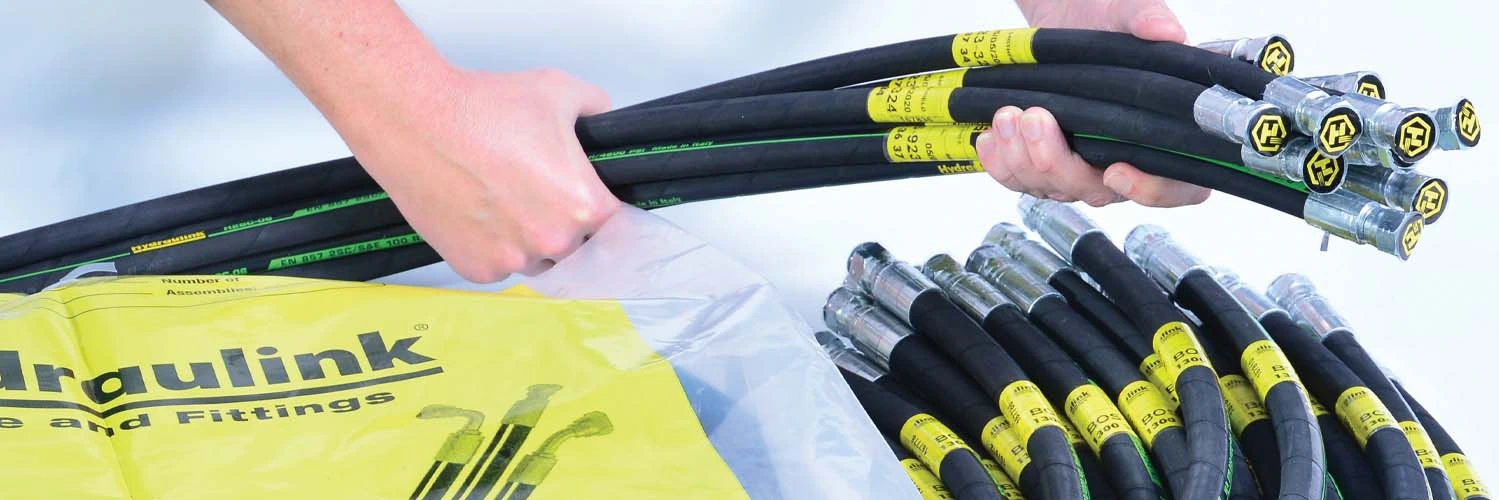
Hydraulic equipment may need a replacement hose kit when you notice fluid leaks, cracked hoses, pressure loss or inconsistent machine performance. Arranging OEM hose kit supply & fitment Chermside helps ensure replacement hoses and fittings match your equipment’s specifications, supporting safer operation and reducing the risk of unexpected breakdowns.
Whether you operate an excavator, forklift, tipper truck or industrial machine, recognising these warning signs can help you plan maintenance before a minor problem becomes a serious equipment failure.
What Is OEM Hose Kit Supply & Fitment Chermside?
OEM stands for Original Equipment Manufacturer. An OEM hose kit contains hydraulic hoses and fittings designed to meet the specifications of particular machinery.
These specifications include working pressure, hose diameter, fitting compatibility, operating temperature and hydraulic fluid requirements.
Choosing the correct hydraulic hose assembly helps maintain reliable fluid transfer throughout your equipment.
Hydraulink Brisbane North assists customers with hydraulic hose supply and fitment, helping equipment operators identify suitable replacement solutions.
5 Warning Signs Your Hydraulic Equipment Needs New Hoses
Hydraulic hoses experience pressure changes, vibration, movement and environmental exposure during everyday operation.
Recognising early deterioration can prevent unexpected failures.
1. Visible Cracks or Surface Damage
Inspect hydraulic hoses for cracks, exposed reinforcement, abrasion and damaged outer coverings.
These signs may indicate deterioration caused by excessive bending, friction or prolonged use.
A damaged hose should be assessed before the equipment returns to operation.
2. Hydraulic Fluid Leaks
Fluid collecting near hose fittings or underneath machinery may indicate a leaking hydraulic connection.
Leaks can reduce hydraulic efficiency and create slippery working conditions.
Never attempt to locate pressurised leaks with your hands because hydraulic fluid can penetrate the skin.
3. Reduced Equipment Performance
Slow lifting movements, inconsistent hydraulic pressure or delayed attachment responses may indicate system problems.
Although damaged hoses can contribute, faulty pumps, valves and seals can produce similar symptoms.
A professional inspection helps identify the actual cause.
4. Repeated Hose Failures
Repeated hose failures may indicate incorrect routing, unsuitable fittings or excessive movement.
Replacing the damaged hose without addressing these problems can lead to further breakdowns.
5. Ageing Hydraulic Components
Hydraulic hoses gradually deteriorate through normal operation.
If your machinery has experienced heavy workloads or extended service intervals, arranging OEM hose kit supply & fitment Chermside may be appropriate following an inspection.
Why Is Correct Hydraulic Hose Compatibility Important?
Not every hydraulic hose suits every machine.
The replacement assembly must accommodate your equipment’s pressure requirements, fluid type, operating conditions and connection specifications.
Incorrect components can contribute to leaks, premature wear and equipment malfunction.
Properly specified hose kits offer several benefits:
- Compatibility: Connections and dimensions suit the equipment.
- Performance: Correct pressure ratings support hydraulic operation.
- Durability: Suitable materials withstand expected operating conditions.
- Safety: Appropriate installation reduces avoidable hose failure risks.
- Maintenance: Clearly identified components simplify future servicing.
An aftermarket hose assembly may also be suitable when it meets the manufacturer’s technical requirements.
The priority is selecting a properly specified and professionally assembled replacement.
When Should You Replace Hydraulic Hoses?
There is no single replacement interval suitable for every hydraulic hose.
Service life depends on operating pressure, movement, temperature, environmental exposure and manufacturer recommendations.
For businesses operating machinery around Chermside and Brisbane’s northern suburbs, regular inspections are particularly useful when equipment works in demanding conditions.
Consider OEM hose kit supply & fitment Chermside when inspections identify damage, repeated failures or components approaching manufacturer-recommended replacement intervals.
Do not continue operating equipment with suspected unsafe hydraulic connections.
Machinery That Commonly Requires Hydraulic Hose Replacement
Hydraulic systems support many types of commercial and industrial equipment.
Common applications include:
- Excavators: Hydraulic hoses control booms, buckets and attachments.
- Forklifts: Hydraulic systems support lifting and material handling.
- Tipper trucks: Hydraulic components operate lifting mechanisms.
- Agricultural machinery: Hoses support hydraulic implements and attachments.
- Industrial machinery: Hydraulic assemblies power presses and lifting equipment.
Each machine requires hoses matched to its particular operating specifications.
How Does Professional OEM Hose Kit Installation Work?
Professional OEM hose kit supply & fitment Chermside generally involves assessing the existing assembly, selecting appropriate replacements and verifying the installation.
Equipment Inspection
A technician examines hose condition, hydraulic connections, routing and potential damage.
They also review the machine’s specifications to identify compatible components.
Replacement Hose Selection
The correct hose diameter, pressure rating, fitting type and length are established.
Technicians must also consider hydraulic fluid compatibility and operating temperatures.
Safe Removal and Installation
Before removing a hose, trained personnel isolate the equipment and release stored hydraulic pressure according to the manufacturer’s procedures.
The replacement assembly is then installed with appropriate routing, connection methods and protection.
Testing and Final Checks
After installation, technicians check for leaks and confirm that the hydraulic system operates correctly.
Testing must follow appropriate safety procedures before machinery returns to service.
Hydraulic Hose Safety Standards in Australia
Hydraulic systems can present serious workplace hazards when hoses fail under pressure.
Australian Standard AS 2671 addresses general requirements for hydraulic fluid power systems.
The SafeWork NSW hydraulic equipment safety guidance explains hazards associated with high-pressure fluid, uncontrolled machinery movement and hydraulic maintenance.
Queensland’s Resources Safety and Health Queensland also warns that high-pressure fluid injection can cause severe injuries requiring urgent medical treatment.
If hydraulic fluid penetrates your skin, seek emergency medical attention immediately, even when the wound appears minor.
How Can You Extend the Life of Hydraulic Hoses?
Routine maintenance can reduce avoidable hose damage.
Check visible hoses for abrasion, leaks and damaged protective coverings during regular equipment inspections.
Keep hoses away from sharp edges, excessive heat and moving components wherever possible.
Follow manufacturer-recommended maintenance schedules and arrange professional inspections when problems appear.
Avoid modifying hydraulic connections without suitable technical knowledge.
When to Call a Professional
If you discover damaged hoses, hydraulic fluid leaks or repeated equipment failures, arrange an inspection before continuing operation.
Professional OEM hose kit supply & fitment Chermside helps identify appropriate replacement components and address installation concerns.
Hydraulink Brisbane North can assist with hydraulic hose requirements for construction, commercial and industrial equipment.
Contact the team to discuss your machinery, replacement hose specifications and suitable service arrangements.
Conclusion
Identifying hydraulic hose damage early helps protect your equipment and reduce unplanned interruptions.
Visible deterioration, fluid leaks, reduced performance and repeated failures are common reasons to investigate hose replacement.
For assistance with OEM hose kit supply & fitment Chermside, contact Hydraulink Brisbane North to discuss a suitable solution for your hydraulic equipment.
Frequently Asked Questions
How do I know if my hydraulic hose needs replacing?
Look for cracks, exposed reinforcement, fluid leaks, damaged fittings and unusual hydraulic performance. Any suspected unsafe hose should be inspected before further use.
Can I replace a hydraulic hose myself?
Hydraulic hose replacement involves stored pressure and specialised components. Unless you are trained and competent in the required procedures, use a qualified professional.
Are OEM hydraulic hoses better than aftermarket hoses?
OEM hoses are specified for particular equipment. Quality aftermarket assemblies can also be suitable when they meet the manufacturer’s pressure, material and connection requirements.
Where can I arrange hydraulic hose replacement in Chermside?
You can contact a hydraulic service provider such as Hydraulink Brisbane North to discuss equipment specifications, hose availability and professional fitment options.