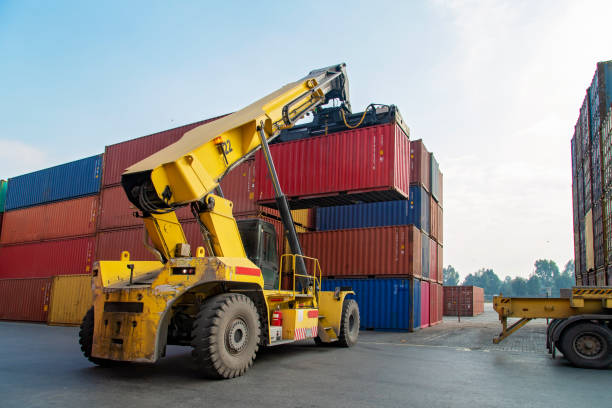
A forklift is one of those machines you rarely think about until it stops working. Then everything changes. Deliveries slow down, projects fall behind, and productivity takes a hit.
I’ve seen businesses lose valuable time simply because they ignored a small hydraulic issue that quietly grew into a major repair. The good news? Your forklift usually gives you plenty of warning before things go wrong.
Hydraulic systems work incredibly hard every single day. They lift heavy loads, power attachments and keep your forklift operating safely. When one part of that system starts struggling, every other component feels the pressure. If you know what to look for, you can schedule Forklift Hydraulic Repairs early and avoid expensive downtime later.
If you’re already noticing unusual performance, don’t wait until the machine stops altogether. Professional Forklift Hydraulic Repairs in Brisbane can identify hydraulic problems early, replace worn components and restore reliable performance before minor issues become costly failures.
Why Forklift Hydraulic Systems Need Regular Attention
Think of hydraulics as the heartbeat of your forklift. Every lift, tilt and steering movement depends on hydraulic pressure working exactly as designed.
A healthy hydraulic system delivers:
- Smooth lifting performance
- Consistent steering
- Safe load handling
- Better fuel efficiency
- Longer equipment life
- Reduced maintenance costs
Once hydraulic pressure drops or fluid starts escaping, your forklift begins working harder than it should. That extra strain often damages pumps, cylinders, seals and hoses long before operators notice anything obvious.
Common Hydraulic Components That Experience Wear
Every hydraulic system contains parts that naturally wear over time. Understanding these components helps you recognise potential problems earlier.
| Hydraulic Component | Purpose | Common Issue |
| Hydraulic Hoses | Carry hydraulic fluid | Cracks, splits, abrasion |
| Hydraulic Cylinders | Lift and tilt loads | Seal wear, internal leaks |
| Hydraulic Pump | Generates pressure | Reduced efficiency |
| Hydraulic Valves | Control fluid flow | Sticking or contamination |
| Hydraulic Seals | Prevent leaks | Ageing and deterioration |
| Hydraulic Oil | Transfers power | Contamination or overheating |
Even one worn component can affect the entire hydraulic circuit.
1. Your Forklift Lifts More Slowly Than Normal
This is usually the very first warning sign.
If your forklift suddenly takes longer to raise pallets or heavy materials, something inside the hydraulic system isn’t performing efficiently anymore.
Possible causes include:
- Low hydraulic oil
- Worn hydraulic pump
- Internal cylinder leakage
- Damaged control valves
- Air trapped inside hydraulic lines
Many operators simply accept slower lifting because it happens gradually. I always recommend comparing today’s lifting speed with how the machine performed a few months ago. Even small differences matter.
Ignoring slower lifting often leads to complete hydraulic failure during busy operating periods.
2. Hydraulic Oil Is Leaking
Hydraulic fluid should stay inside the system.
Whenever you notice oil underneath your forklift, around hoses or near hydraulic cylinders, treat it seriously.
Common leak locations include:
- Hose fittings
- Cylinder seals
- Pump connections
- Valve blocks
- Quick-connect couplings
Small leaks rarely stay small.
Besides reducing hydraulic pressure, leaking oil creates slip hazards and attracts dirt that contaminates the hydraulic system.
A simple seal replacement today could prevent replacing an expensive hydraulic pump tomorrow.
3. Forklift Makes Strange Hydraulic Noises
Forklifts naturally make mechanical sounds.
However, you should never ignore unusual noises such as:
- Whining
- Buzzing
- Squealing
- Knocking
- Grinding
- Hissing
These sounds often indicate:
- Air entering hydraulic lines
- Pump cavitation
- Low hydraulic oil
- Restricted fluid flow
- Damaged bearings
Hydraulic pumps rely on constant lubrication. Once air replaces hydraulic fluid, internal components wear much faster than normal.
The earlier unusual noises receive attention, the lower your repair costs usually become.
4. Steering Suddenly Feels Heavy
Modern forklifts rely heavily on hydraulic power steering.
If steering suddenly feels stiff or inconsistent, hydraulic pressure may be dropping.
You might notice:
- Hard steering at low speeds
- Delayed steering response
- Jerky steering movement
- Increased steering effort
- Steering that feels inconsistent throughout the day
These symptoms often point towards:
- Pump wear
- Fluid contamination
- Pressure loss
- Hydraulic hose restrictions
Heavy steering doesn’t just affect comfort.
It directly impacts workplace safety because operators lose precise control when moving heavy loads through busy warehouses.
5. Forklift Hydraulic RepairStruggles to Hold Raised Loads
A healthy hydraulic system should comfortably hold a raised load without drifting downward.
If your forks slowly lower while carrying a pallet, something inside the hydraulic circuit needs attention.
Possible causes include:
- Internal cylinder seal failure
- Valve leakage
- Pressure loss
- Hydraulic contamination
- Worn piston seals
Load drift creates serious safety risks.
Besides damaging products, unstable loads increase the likelihood of workplace incidents and reduce operator confidence.
One quick inspection now can prevent much larger hydraulic repairs later while keeping your equipment reliable and safe.
6. Hydraulic Oil Looks Dirty or Smells Burnt
Hydraulic oil does far more than transfer power. It lubricates moving parts, removes heat and protects internal components from wear. Once the oil becomes contaminated or overheats, the entire system suffers.
Watch for these warning signs:
- Dark or cloudy hydraulic oil
- Burnt smell
- Milky appearance caused by water contamination
- Visible dirt or metal particles
- Foaming inside the hydraulic reservoir
Contaminated oil acts like liquid sandpaper. It wears out pumps, valves and cylinders much faster than clean oil. I always recommend checking hydraulic oil during routine inspections because replacing oil is far cheaper than replacing major hydraulic components.
7. Hydraulic Hoses Show Cracks or Bulges
Hydraulic hoses work under extremely high pressure every day. Even if your forklift seems to operate normally, damaged hoses can fail without much warning.
Look closely for:
- Surface cracks
- Bulging sections
- Abrasion marks
- Loose fittings
- Oil residue around hose connections
A burst hydraulic hose can stop operations instantly and create significant safety hazards for operators and nearby workers. Replacing an ageing hose before it fails is one of the smartest maintenance decisions you can make.
8. The Forklift Feels Jerky During Operation
A properly functioning hydraulic system delivers smooth, controlled movements.
If your forklift suddenly becomes jerky while lifting, lowering or tilting loads, it’s usually telling you that hydraulic pressure isn’t stable.
Possible causes include:
- Air trapped in the hydraulic system
- Contaminated hydraulic fluid
- Sticky control valves
- Worn hydraulic pump
- Blocked hydraulic filters
Jerky movements don’t just make operating uncomfortable—they also increase the risk of dropping loads, damaging stock and placing unnecessary stress on the entire hydraulic system.
9. Warning Lights or High Operating Temperatures Appear
Modern forklifts often monitor hydraulic performance through onboard warning systems. If warning lights appear or you notice unusually high operating temperatures, don’t ignore them.
Hydraulic systems naturally generate heat, but excessive temperatures usually indicate a developing problem such as restricted oil flow, overloaded components or poor cooling performance. If you’re responsible for maintaining workplace equipment, it’s also worth understanding Australia’s workplace equipment safety expectations through Safe Work Australia. Staying informed helps support safer maintenance practices and reliable equipment operation.
High temperatures reduce hydraulic oil performance and accelerate wear on seals, pumps and hoses. Acting early helps prevent unexpected breakdowns and expensive repairs.
10. Your Forklift Needs Frequent Minor Repairs
One small repair every few years is normal.
Several hydraulic repairs within a few months usually indicate a larger underlying issue.
Recurring problems may include:
- Repeated hose replacements
- Constant hydraulic oil top-ups
- Frequent seal failures
- Ongoing pressure issues
- Persistent lifting problems
When the same faults continue returning, it’s time for a complete hydraulic system inspection rather than another temporary fix. Identifying the root cause saves money, reduces downtime and improves long-term reliability.
Preventative Maintenance Helps Avoid Costly Hydraulic Repairs
The easiest repair is the one you never need.
A simple maintenance routine can dramatically reduce unexpected hydraulic failures and extend the life of your forklift.
| Maintenance Task | Recommended Frequency | Benefit |
| Check hydraulic oil level | Daily | Prevents pressure loss |
| Inspect hoses and fittings | Weekly | Detects leaks early |
| Replace hydraulic filters | As scheduled | Keeps oil clean |
| Check cylinders for leaks | Monthly | Prevents seal damage |
| Inspect hydraulic pump performance | During servicing | Improves efficiency |
| Change hydraulic oil | Manufacturer’s schedule | Extends component life |
Consistent maintenance not only improves reliability but also helps reduce operating costs across your fleet.
Why Fast Forklift Hydraulic Repairs Save You Money
Delaying repairs often feels like the cheaper option, but the opposite is usually true.
Early hydraulic repairs can help you:
- Prevent major component failures
- Reduce equipment downtime
- Improve workplace safety
- Extend forklift lifespan
- Protect valuable loads
- Lower long-term maintenance costs
- Keep projects running on schedule
A small hydraulic leak today could become a failed pump tomorrow. Acting quickly keeps your equipment productive and your business moving.
Conclusion
Your forklift works hard every day, and its hydraulic system deserves the same attention you give the rest of your equipment. When you notice slow lifting, oil leaks, unusual noises, heavy steering or worn hydraulic hoses, don’t wait for the machine to stop completely.
I always believe that early action beats emergency repairs. Investing in professional Forklift Hydraulic Repairs keeps your forklift operating safely, reduces unexpected downtime and helps you avoid much larger repair bills in the future.
If your forklift is showing any of these warning signs, now is the perfect time to arrange a professional inspection. Fast repairs today can keep your business productive tomorrow.
Frequently Asked Questions
How often should a forklift hydraulic system be inspected?
A visual inspection should be carried out daily before operation, while a comprehensive hydraulic inspection should be completed during scheduled servicing or whenever performance changes are noticed.
What causes hydraulic hoses to fail?
Hydraulic hoses commonly fail because of age, abrasion, excessive pressure, heat, contamination and poor installation. Regular inspections help detect wear before failure occurs.
Can I continue using a forklift with a hydraulic leak?
No. Even a small hydraulic leak can reduce system pressure, damage components and create serious workplace safety risks. Repairs should be arranged as soon as possible.
How long do forklift hydraulic hoses normally last?
The lifespan varies depending on operating conditions, maintenance and usage. Regular inspections are more reliable than relying on age alone, as heavy-duty environments can shorten hose life.
What happens if hydraulic oil becomes contaminated?
Dirty hydraulic oil accelerates wear inside pumps, valves and cylinders. It also reduces efficiency and increases the likelihood of expensive hydraulic failures.
How can I reduce future hydraulic repair costs?
Routine maintenance, regular oil changes, hose inspections, filter replacements and prompt repairs all help prevent major hydraulic failures and extend equipment life.