A hydraulic system can contain pumps, valves, cylinders and hoses that all do important jobs, but none of them can work properly if the connections between them are unreliable. Stainless Steel Hydraulic Fittings are often chosen for hydraulic equipment because they can provide a strong connection while offering good resistance to corrosion and wear.
This matters in Brisbane, where hydraulic machinery is used across construction, manufacturing, transport, agriculture and earthmoving. Stainless Steel Hydraulic Fittings can be particularly useful where equipment is exposed to moisture, dust or demanding working conditions. In these environments, even small connection components need to remain reliable under regular use.
The right fitting will not magically make a hydraulic machine more powerful. Its real value is simpler: it helps maintain a secure connection, supports consistent fluid flow and reduces the chance of problems developing around the connection point.
What Are Stainless Steel Hydraulic Fittings?
Stainless Steel Hydraulic Fittings are components used to connect hydraulic hoses, pipes and other parts of a hydraulic circuit. Depending on the design, a fitting can join two lines, change the direction of a hose, connect different thread sizes or provide a connection between a hose and a hydraulic component.
Common designs include straight connectors, elbows, tees, adapters, reducers and couplings. Each has a particular purpose, so choosing a fitting is not simply a matter of finding one that physically fits the opening.
The stainless-steel grade also matters. Different grades have different levels of corrosion resistance and mechanical properties. The environment, hydraulic fluid, pressure, temperature and other system conditions should all be considered before a fitting is selected.
How Can Stainless Steel Hydraulic Fittings Improve Performance?
Stainless Steel Hydraulic Fittings contribute to performance mainly by helping the hydraulic circuit maintain a reliable connection between components.
A loose, damaged or poorly matched connection can allow hydraulic fluid to escape. Even a small leak can become a bigger maintenance issue if it continues unnoticed. A suitable fitting, correctly installed, helps keep the hydraulic fluid where it belongs.
There is also the issue of corrosion. When fittings deteriorate, their threads and sealing surfaces can become damaged. That can make future maintenance more difficult and may eventually affect the connection itself.
For equipment working in wet, humid or corrosive surroundings, the resistance offered by suitable stainless steel can therefore be useful. It is one reason stainless steel is used in demanding hydraulic applications.
Why Is Corrosion Resistance Important in Brisbane?
Brisbane’s climate can expose machinery to moisture, rain and humidity. Equipment may also be washed regularly or operated around substances that can accelerate corrosion.
This is where Stainless Steel Hydraulic Fittings can make sense. A suitable stainless-steel fitting can provide better resistance to corrosion than an unprotected carbon-steel alternative in many environments.
That does not mean stainless steel cannot corrode. The grade of stainless steel, exposure conditions, surface contamination and contact with other metals can all affect corrosion behaviour.
Galvanic corrosion is another consideration. When dissimilar metals are placed together in the presence of an electrolyte such as water, corrosion can occur at different rates. Material compatibility should therefore be considered when planning a hydraulic connection.
Stainless Steel Hydraulic Fittings vs Other Materials
There is no single fitting material that is right for every hydraulic system. Stainless steel is useful in some conditions, while steel, brass or other materials may be suitable elsewhere.
| Factor | Stainless Steel | Carbon Steel | Brass | What It Means for a Hydraulic System |
| Corrosion resistance | Generally high, depending on grade | Usually lower without protective treatment | Generally good | Consider moisture and working environment |
| Strength | High | High | Lower than many steel options | Match the material to pressure and load requirements |
| High-pressure use | Suitable for specified products | Commonly used | Application dependent | Always check the manufacturer’s rating |
| Outdoor use | Often a good choice | May need corrosion protection | Can suit selected applications | Environment should guide selection |
| Maintenance | Usually relatively low | May require more corrosion attention | Usually low | Inspection is still necessary |
| Cost | Often higher | Often more economical | Varies | Balance material cost against application needs |
The important point is that Stainless Steel Hydraulic Fittings should be selected because their properties suit the application, not simply because stainless steel sounds more durable.
What About High Pressure Hydraulic Fittings?
Hydraulic systems can operate at very high pressures, so connection failure can be serious. High pressure hydraulic fittings must be rated for the pressure and operating conditions of the system. The hose, fitting, coupler and adapter should all be compatible with the equipment and its working pressure.
For safe operation, it is important to follow official guidance when working with pressurised hydraulic lines. WorkSafe Queensland provides useful Hydraulic Hose Safety information covering hose assemblies, fittings and potential risks associated with hydraulic equipment.
Understanding Hydraulic Fitting Types
There are many hydraulic fitting types, and each is designed for a different connection arrangement. Stainless Steel Hydraulic Fittings are available in several of these designs to suit different hydraulic connection requirements.
Straight fittings are useful when two components can be connected without changing direction. Elbow fittings change the direction of a hydraulic line, while tees allow a circuit to branch into another line. Adapters can connect different connection arrangements, provided they are specifically designed for that purpose.
Thread type is equally important. BSP, JIC and ORFS connections are not interchangeable simply because they may look similar at first glance.
A correct fit should include the right thread standard, size, sealing arrangement and pressure rating. Guessing can result in leaks or damaged threads.
The current Hydraulink Brisbane North blog also highlights the importance of understanding differences between common hydraulic fitting connection types, including BSP, JIC and ORFS.
What Are the Main Hydraulic Fitting Applications?
The hydraulic fitting applications for stainless steel connections vary considerably, and Stainless Steel Hydraulic Fittings can be suitable for a range of demanding environments.
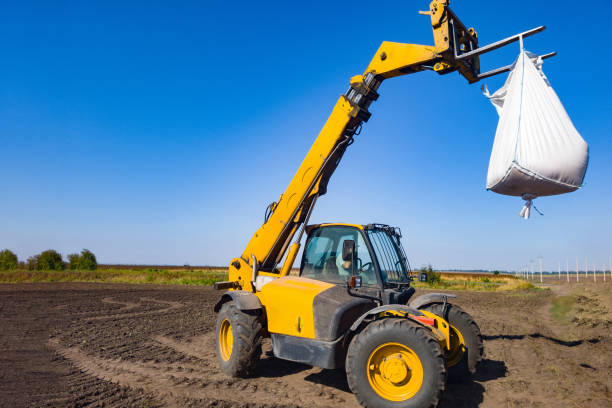
Construction and earthmoving equipment may use hydraulic lines for cylinders, attachments and other moving components. Manufacturing machinery can have fixed hydraulic circuits that operate for long periods. Agricultural equipment may work outdoors and be exposed to moisture and dirt.
Marine equipment presents another consideration because salt and moisture can make corrosion resistance particularly important. Hydraulink Brisbane North specifically identifies marine hydraulics as an application where stainless-steel and corrosion-resistant components can be useful.
The same fitting should not automatically be used across every application. The operating environment and equipment specifications should determine the final choice.
What Should You Check Before Choosing Hydraulic System Fittings?
Before choosing hydraulic system fittings, it helps to look at the actual working conditions rather than choosing from the fitting’s appearance or material alone. This is particularly important when selecting Stainless Steel Hydraulic Fittings for a specific hydraulic application.
The main things to consider are:
- Operating pressure, hydraulic fluid, temperature, hose or pipe size, thread standard, connection type, available space, vibration, environmental exposure and the manufacturer’s requirements.
These details help narrow down the correct fitting. They also reduce the chance of selecting a component that fits physically but is unsuitable for the job.
For hose assemblies, the method used to attach the fitting is also important. A fitting and hose need to be assembled according to the relevant manufacturer’s instructions rather than improvised on site.
Why Does Correct Installation Matter?
Even well-made Stainless Steel Hydraulic Fittings can cause problems when installed incorrectly.
Cross-threading is one obvious issue. Over-tightening can also damage threads or sealing components. Poor alignment can place unnecessary side loads on the connection, while incorrect hose routing can cause bending or rubbing during machine operation.
Hose assemblies should have enough flexibility for normal movement without being left with excessive slack. They should also be kept away from avoidable heat, sharp edges and abrasion.
Hydraulink Brisbane North states that its installation work includes custom hose assemblies, fittings and hydraulic components, with assemblies pressure tested and inspected after installation.
For high-pressure equipment, proper assembly is not something to leave to guesswork.
How Should Stainless Steel Hydraulic Fittings Be Maintained?
Routine inspection is one of the simplest ways to catch a hydraulic connection problem early.
Check fittings during normal equipment inspections and pay attention to anything that has changed since the previous inspection. A new oil mark around a fitting, a damaged thread or visible corrosion may indicate that the connection needs closer attention.
Cleaning the area around fittings can also make leaks easier to identify. If a fitting has become damaged or the connection continues to leak after correct installation, replacing the component may be safer than repeatedly tightening it.
Maintenance requirements will vary depending on how often the machine operates and where it works. Equipment exposed to heavy vibration, moisture or harsh working conditions may need more frequent checks.
Are Stainless Steel Hydraulic Fittings Suitable for Every System?
Not necessarily. Stainless Steel Hydraulic Fittings have useful properties, but that does not automatically make them the best choice for every hydraulic application.
Cost, pressure, temperature, fluid compatibility, connection type and environmental exposure all need to be considered.
For a relatively clean indoor application, another material may provide everything the system requires. In a wet or corrosive environment, the additional corrosion resistance of stainless steel may make more sense.
The best approach is to start with the equipment requirements and then choose the material and fitting type that meet them.
Conclusion
Stainless Steel Hydraulic Fittings can be a sensible choice when a hydraulic system needs dependable connections and good resistance to corrosion. They can support reliable fluid transfer and help protect connection points in demanding working environments.
But the fitting itself is only part of the equation. Correct sizing, pressure ratings, compatible threads, proper hose assembly and regular inspection all have a direct bearing on hydraulic system performance.
For Brisbane operators, choosing fittings based on the actual machinery and working environment is a much better approach than simply choosing the most expensive or heavy-duty-looking option.
If you are dealing with a hydraulic fitting problem, need a suitable hose assembly or want to discuss the correct component for your equipment, contact Hydraulink Brisbane North today through the Hydraulink Brisbane North hydraulic hose and fittings service for practical assistance.
Frequently Asked Questions
1. What are Stainless Steel Hydraulic Fittings used for?
They are used to connect hydraulic hoses, pipes and components. Their corrosion resistance makes them useful in applications where moisture or harsh environmental conditions are a concern.
2. Are Stainless Steel Hydraulic Fittings suitable for high pressure?
Some are specifically manufactured for high-pressure applications. The individual fitting’s pressure rating must be checked rather than assuming all stainless-steel fittings have the same capability.
3. Are stainless steel hydraulic hose fittings better than steel fittings?
Not in every situation. Stainless steel can offer better corrosion resistance, while other materials may be perfectly suitable for less demanding environments. The application should determine the choice.
4. How do I choose the correct hydraulic fitting?
Check the pressure, temperature, fluid, hose or pipe size, thread standard, connection type and environmental conditions. Manufacturer specifications should always be followed.
5. How often should hydraulic fittings be inspected?
They should be checked as part of routine equipment inspections and whenever there is evidence of leakage, corrosion, vibration or physical damage. Heavy-duty equipment may require closer monitoring.