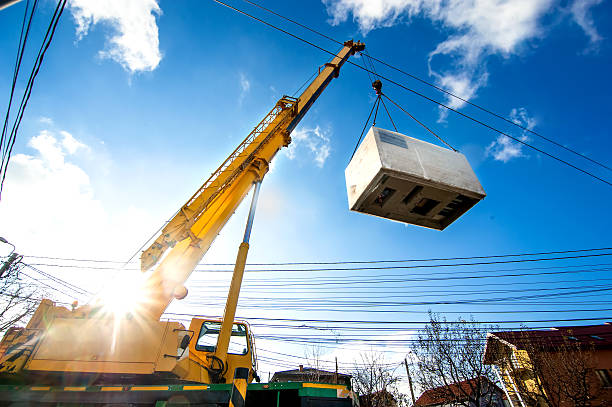
A crane may look like a single piece of lifting equipment, but its safe operation depends on many systems working together. The hydraulic system is one of the most important because it helps control lifting, lowering, boom movement, extension, stabilisation and other functions. When hydraulic components begin to wear or fail, the effect can go beyond reduced performance. It can influence how predictably and safely the crane responds.
This is why Crane Hydraulic Repairs should be treated as an important part of crane maintenance rather than something to arrange only after a major breakdown. For crane operators and businesses across Brisbane, early attention to leaks, damaged hoses, worn seals, cylinder faults and pressure problems can help prevent small defects from becoming larger equipment issues.
Professional assessment is particularly valuable because hydraulic faults are not always straightforward. A slow movement, unusual noise or leaking component may have several possible causes. Proper diagnosis helps identify the underlying problem and determine the most suitable repair.
How Does a Crane Hydraulic System Support Safe Operation?
Hydraulic systems use pressurised fluid to transfer power between components. A typical crane hydraulic circuit may include pumps, valves, hoses, fittings, cylinders, filters, reservoirs and other components.
Each part has a role. The pump creates fluid flow, valves control where the fluid travels, and cylinders convert hydraulic pressure into mechanical movement. Hoses and fittings carry the fluid through the system.
When these components operate correctly, crane movements can remain controlled and consistent. When pressure is lost or a component becomes damaged, movement may become slower, uneven or difficult to control.
This is one reason Crane Hydraulic Repairs require more than simply replacing a visibly damaged hose. The complete hydraulic circuit should be considered when diagnosing a recurring or unusual fault.
Safe Work Australia states that crane inspections and testing should be performed by a competent person and should take account of manufacturer instructions, relevant technical standards and engineering principles.
What Problems Can Require Crane Hydraulic Repairs?
Hydraulic faults can develop through normal wear, demanding working conditions, contamination, heat, vibration, incorrect installation or accidental damage.
Some problems are obvious. A burst hose or significant oil leak can usually be identified quickly. Other faults develop more gradually. A cylinder may begin drifting, a valve may respond inconsistently or a pump may gradually lose performance.
Common symptoms include:
- Hydraulic oil leaking from hoses, fittings, cylinders or pumps
- Slow, jerky or inconsistent crane movements
- Hydraulic pressure that appears lower than expected
- Cylinder drift or difficulty holding a position
- Damaged, cracked or abraded hoses
- Unusual hydraulic noises
- Repeated failure of the same component
These symptoms should not automatically be blamed on one component. Proper Crane Hydraulic Repairs start with identifying what is actually causing the problem.
Why Is Crane Hydraulic Troubleshooting Important?
Hydraulic systems can be deceptively complex. Several components may produce similar symptoms when something goes wrong.
For example, slow boom movement could result from a worn pump, restricted flow, a valve issue, internal leakage or another problem within the circuit. Replacing a hose simply because it is the easiest component to see may not resolve the underlying fault.
This is where crane hydraulic troubleshooting becomes useful. A technician can examine the reported symptoms, inspect components and assess system behaviour before deciding what repair is required.
A structured approach can also help prevent repeat failures. If a hose continues to fail in the same location, for example, the problem may involve routing, abrasion, movement or another installation issue rather than simply the age of the hose.
Professional Crane Hydraulic Repairs therefore focus on both the immediate defect and the reason it occurred.
How Professional Crane Hydraulic Repairs Support Safer Crane Operation
Professional Crane Hydraulic Repairs can help restore hydraulic performance while supporting a wider approach to equipment safety. Accurate diagnosis, appropriate replacement components and suitable testing all contribute to a more dependable repair process.
The aim should not simply be to get a crane moving again. The repair should address the fault properly and reduce the likelihood of the same problem returning.
For businesses using cranes in Brisbane, this approach can make maintenance more predictable and help identify problems before they become disruptive. It also supports the broader responsibility to keep plants in a safe condition.
The Safe Work Australia guide to inspecting and maintaining cranes is a useful high-authority reference for businesses wanting to understand inspection, maintenance and repair expectations.
The Role of Crane Hydraulic Maintenance
Repairs deal with faults that have already developed, while maintenance aims to identify deterioration earlier.
Effective crane hydraulic maintenance should follow the crane manufacturer’s requirements and consider how often and where the equipment is used. A crane working regularly on demanding construction sites may experience different stresses from equipment used less frequently in a controlled environment.
Maintenance can include checking fluid levels, examining hoses and fittings, identifying leaks, monitoring component condition and addressing contamination.
Safe Work Australia’s guidance recommends preventative inspection, maintenance and testing programs for cranes, with routine work carried out according to manufacturer instructions or competent-person requirements.
Queensland’s current Mobile Crane Code of Practice also highlights inspection of hydraulic fluid leaks on hoses, cylinders and pumps, together with functional testing to verify that equipment operates according to manufacturer specifications.
This makes planned Crane Hydraulic Repairs part of a broader maintenance strategy rather than an isolated response to equipment failure.
Why Are Crane Hydraulic Cylinder Repairs So Important?
Hydraulic cylinders perform important movement and positioning functions. They are exposed to repeated loads and movement, which can eventually affect seals, rods, bearings and other internal or external components.
A leaking cylinder may leave visible oil around the rod or body. In other cases, the first indication may be cylinder drift, uneven movement or reduced ability to hold a position.
Crane hydraulic cylinder repairs can involve inspection, disassembly, seal replacement, rod assessment and examination of other internal parts. The required work depends on the condition of the cylinder.
A new seal may not solve the problem if the rod is damaged or another component is causing abnormal wear. Proper assessment is therefore important.
This is another situation where professional Crane Hydraulic Repairs can provide a more reliable outcome than replacing parts based only on visible symptoms.
Why Should Crane Hydraulic Leak Repairs Be Taken Seriously?
A hydraulic leak is more than an untidy patch of oil. It can indicate damaged hoses, worn seals, loose fittings or another developing fault.
As fluid escapes, the system may lose the pressure or fluid volume needed for normal operation. Continued leakage can also create additional maintenance and environmental concerns.
High-pressure hydraulic fluid presents its own hazards, so suspected leaks should be approached carefully. Workers should not use their hands to search for high-pressure leaks, and equipment should be isolated according to appropriate procedures before maintenance work begins.
Crane hydraulic leak repairs should identify the source rather than simply wiping away visible oil or tightening a connection without further assessment.
Queensland guidance identifies hydraulic lines, hoses and cylinders as components requiring attention during plant inspection, particularly where equipment operates in harsh environments.
What Should a Professional Hydraulic Inspection Look At?
A crane hydraulic inspection provides an opportunity to identify defects before they develop into an unexpected failure. It should be appropriate to the crane, manufacturer requirements and the operating environment.
| Component or Area | What May Be Checked | Why It Matters |
| Hydraulic hoses | Abrasion, cracking, bulging, routing and leaks | Damaged hoses can lose pressure or fail |
| Fittings and couplings | Tightness, damage and leakage | Poor connections can cause fluid loss |
| Cylinders | Seals, rods, leakage and movement | Cylinder faults can affect controlled movement |
| Hydraulic fluid | Level, condition and possible contamination | Poor fluid condition can contribute to component wear |
| Pumps | Performance and unusual noise | Pump problems can affect system pressure and flow |
| Valves | Response and operation | Valve faults may cause inconsistent movement |
| Filters | Condition and contamination | Blocked filters can restrict hydraulic flow |
| System functions | Movement and response during testing | Confirms whether the system performs as intended |
How Can Repairs Reduce Unexpected Crane Downtime?
Hydraulic breakdowns rarely happen at a convenient time. A crane that stops working during a scheduled lift can affect workers, contractors, deliveries and the wider project.
Planned repairs can help address deteriorating components before they fail completely. This does not mean every breakdown can be prevented, but early intervention can reduce the chance of minor faults becoming more extensive.
For Brisbane operators, on-site support can be particularly useful when moving large equipment to a workshop is difficult. Hydraulink Brisbane North states that its services include mobile hydraulic hose repairs, hydraulic cylinder repairs, hose fabrication and on-site hydraulic installations across Brisbane North and surrounding areas.
Why Does Brisbane’s Working Environment Matter?
Cranes operating around Brisbane can be exposed to heat, dust, moisture, vibration, heavy workloads and changing job-site conditions. These factors can influence the condition of hydraulic hoses, seals, fittings and other components.
Hoses can also suffer external abrasion where they move against nearby structures or are not routed correctly. Repeated movement can gradually damage an otherwise sound hose.
For this reason, Crane Hydraulic Repairs should consider the operating conditions rather than treating every component failure as an isolated event.
A recurring failure can be a sign that something else needs attention. Changing the same hose repeatedly without checking its routing, movement or surrounding conditions may simply postpone the next failure.
When Should a Crane Stop Operating?
The decision depends on the nature of the fault, manufacturer requirements and the circumstances surrounding the equipment. However, a crane should not continue operating when a hydraulic defect creates a safety risk.
Significant fluid leakage, damaged high-pressure hoses, uncontrolled movement, serious loss of hydraulic function or other defects affecting safe operation should be treated seriously.
WorkSafe Queensland identifies plant failure, falling objects and structural or operational failures among the risks associated with cranes and lifting equipment.
If there is uncertainty about whether a fault is safe to operate with, stopping the equipment and arranging assessment is a more responsible approach than assuming the problem will remain unchanged.
Choosing the Right Approach to Crane Hydraulic Repairs
The quality of a repair depends on more than how quickly the faulty component is replaced. The replacement part must be suitable for the application, correctly installed and compatible with the hydraulic system.
Hoses, fittings, seals and other parts should be selected according to equipment requirements and manufacturer specifications where applicable.
A good repair process should also consider why the original component failed. This is particularly important when a crane experiences repeated hose failures, recurring cylinder leaks or ongoing pressure problems.
Keeping records of inspections and repairs can make this easier. Over time, maintenance records may reveal patterns that are not obvious from a single breakdown.
Safe Work Australia recommends maintaining inspection and maintenance programs in line with manufacturer instructions and competent-person requirements.
Conclusion
Professional Crane Hydraulic Repairs play an important role in maintaining safe and reliable crane operation. Hydraulic systems control critical movements, so problems involving hoses, cylinders, pumps, valves, fittings or fluid should not be ignored.
Regular inspection and crane hydraulic maintenance can help identify deterioration early, while accurate troubleshooting helps ensure repairs address the real cause rather than just the visible symptom. In Brisbane’s demanding work environments, this can be particularly valuable for reducing unexpected failures and maintaining dependable equipment performance.
If your crane is showing signs of hydraulic leakage, unusual movement, pressure loss or component wear, arrange a professional hydraulic assessment before continuing operation where the fault could affect safety. For further support, contact Hydraulink Brisbane North to discuss hydraulic assistance and repair requirements.
Frequently Asked Questions
1. What are the main signs that Crane Hydraulic Repairs are needed?
Common signs include hydraulic oil leaks, damaged hoses, slow or jerky movements, unusual noises, cylinder drift and unexplained pressure loss. Any fault affecting safe crane movement should be assessed promptly.
2. How often should crane hydraulic maintenance be performed?
There is no single interval suitable for every crane. Maintenance should follow the manufacturer’s instructions and applicable inspection requirements, while operating conditions and equipment use should also be considered.
3. Can a small hydraulic leak become a major problem?
Yes. A small leak can worsen through continued pressure, vibration and movement. Fluid loss may also affect system performance, so the source should be identified rather than ignored.
4. What is involved in crane hydraulic cylinder repairs?
Depending on the fault, cylinder work may involve inspection, disassembly, seal replacement, rod assessment and replacement or repair of damaged components. The correct approach depends on the cylinder’s condition.
5. Can Crane Hydraulic Repairs be performed on-site?
Some hydraulic faults, particularly hose and fitting problems, can potentially be addressed on-site. More complex cylinder or component work may require a controlled workshop environment, depending on the equipment and repair required.