Choosing Pneumatic Hose & Fittings is not simply a matter of finding a hose that fits a machine. A compressed air system relies on the hose, fittings, connectors and equipment working together properly. If one component is poorly matched, the result can be air leakage, restricted airflow, faster wear or unexpected downtime.
For Brisbane workshops, factories and other workplaces using compressed air, the right selection depends on how the system operates day to day. Pressure, temperature, airflow and hose material all play a role when choosing Pneumatic Hose & Fittings, while the connection type and working environment should also be considered before arranging a replacement or new installation.
What Are Pneumatic Hose & Fittings Used For?
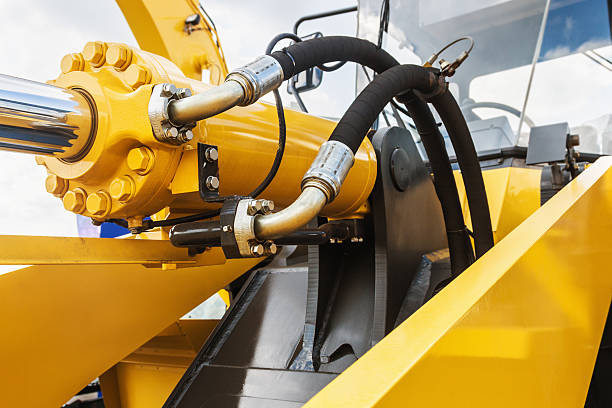
Pneumatic Hose & Fittings are used to move compressed air between equipment and the different parts of an air system. The hose or tubing carries the air, while fittings connect it to valves, regulators, filters, cylinders, tools and other pneumatic components.
A pneumatic air hose can be manufactured from different materials, including polyurethane, nylon and rubber. The best option depends on where the hose is being used. A flexible hose may be useful around moving equipment, while another application may call for greater resistance to heat, abrasion or chemicals.
Pneumatic fittings also come in many forms. Straight connectors, elbows, tees, reducers and threaded adaptors are commonly used to suit different layouts.
That means Pneumatic Hose & Fittings need to be considered as one working assembly. A hose may have the right dimensions but still be unsuitable if the fitting, thread or pressure rating does not match.
Why Does the Hose Size Matter?
Hose size can have a noticeable effect on the performance of a compressed air system. The internal diameter influences how much air can pass through the hose and how much pressure is lost along the way.
A narrow hose may restrict airflow when equipment needs a higher volume of compressed air. This can become more noticeable with long hose runs, several bends or multiple connections.
On the other hand, simply choosing the largest available hose is not always the answer. It may cost more, take up additional space and be harder to route around machinery.
When choosing Pneumatic Hose & Fittings, look at the equipment’s actual air requirements, operating pressure and hose length. Manufacturer specifications should be used where available rather than relying on guesswork.
What Pressure Rating Do You Need?
Working pressure is one of the first specifications worth checking. The hose and fittings should be rated for the pressure used by the system and suitable for the conditions in which they will operate.
The maximum pressure rating should not be viewed in isolation. Temperature can affect the performance of some hose materials, so the manufacturer’s pressure and temperature information should be checked together.
It is also worth considering the complete connection. A correctly rated hose does not solve the problem if a fitting, coupling or connector has a lower rating or is not designed for the same application.
For industrial Pneumatic Hose & Fittings, matching the specifications of all connected components is a much safer approach than selecting each part separately.
Which Hose Material Is Right for the Job?
There is no single hose material that suits every pneumatic application. The surroundings can make a big difference.
Polyurethane hoses are often selected where flexibility and repeated movement are required. Nylon can be useful in applications where strength and dimensional stability are important. Rubber hoses may be preferred in situations where flexibility and durability are key considerations.
Think about what the hose will encounter during normal operation. Will it be exposed to oil, chemicals, heat, sunlight or constant movement? Could it rub against metal edges? Does machinery move while the hose is connected?
These questions help narrow down the right material.
A hose installed in a clean indoor workshop may have very different requirements from one operating beside heavy machinery in a busy Brisbane industrial environment. The surrounding conditions should always be part of the selection process for Pneumatic Hose & Fittings.
How Should You Choose the Fittings?
A fitting needs to provide a secure connection without creating an unnecessary restriction in the air path. The available space and the way the equipment is arranged will often influence the choice.
Push-in pneumatic fittings can be convenient where tubing needs to be connected and disconnected during servicing. Elbows can help when space is limited or when a hose needs to change direction. Tees and other connectors are useful where one air supply needs to serve more than one line.
Thread compatibility deserves particular attention. Two fittings can appear similar while having different thread specifications. Using the wrong combination can result in poor sealing or damage to the connection.
Before purchasing Pneumatic Hose & Fittings, check the equipment port, thread type, tube size and fitting specification together.
Key Factors to Check Before Selection
| Factor | What to look at | Why it matters |
| Pressure | Normal and maximum working pressure | Helps ensure components can handle system conditions |
| Hose size | Internal diameter and length | Affects airflow and pressure loss |
| Material | Polyurethane, nylon, rubber or another suitable option | Determines flexibility and resistance to the working environment |
| Temperature | Operating and surrounding temperature | Some materials have limited temperature ranges |
| Fittings | Connector style, size and configuration | Provides the correct connection between components |
| Threads | Thread size and standard | Prevents incompatible connections |
| Environment | Oil, chemicals, heat, moisture and abrasion | Helps determine suitable hose and fitting materials |
| Movement | Flexing, vibration and equipment movement | Influences hose durability and routing requirements |
Can the Wrong Fittings Cause Air Leaks?
Yes. Air leaks can develop for several reasons, and an unsuitable fitting is one possibility. Loose connections, worn seals, damaged threads and incorrect installation can also contribute.
A small leak may not seem serious at first. However, compressed air systems can run for long periods, so even relatively minor leaks may place additional demand on the compressor.
Inspect the connection points regularly. Listen for hissing, check for visible damage and pay attention to hoses that have become cracked, flattened or worn.
Air leaks can develop for several reasons. Loose fittings, damaged hoses, worn seals and poor installation can all create problems. Regular inspection helps identify these issues before they affect equipment performance. Businesses should also consider compressed air safety when using pneumatic equipment and managing workplace risks.
Does Hose Routing Affect Performance?
The way a hose is installed can have almost as much impact as the hose itself. Poor routing may expose it to unnecessary stress and shorten its service life.
Avoid placing hoses where they can be crushed, dragged across sharp edges or caught by moving machinery. Tight bends can also place additional stress on the hose and restrict the air path.
For moving equipment, allow enough flexibility for normal movement without leaving excessive slack. Fixed sections may need suitable support to keep them away from areas where they could be damaged.
When installing Pneumatic Hose & Fittings, consider how the machinery actually moves rather than looking only at its position when switched off.
What About Temperature and the Working Environment?
Temperature is easy to overlook when replacing a hose. Yet a hose that performs well in a normal indoor environment may not be suitable near heat-producing equipment.
Chemical exposure, oil, moisture and outdoor conditions can also affect hose materials. Abrasion is another common concern in busy workshops where hoses may come into contact with machinery, floors or other equipment.
Before choosing Pneumatic Hose & Fittings, consider the conditions surrounding the installation rather than focusing only on the compressed air inside the hose.
This is particularly useful when replacing older components. If the original hose has repeatedly failed in the same location, the problem may not be the hose alone. Routing, movement or environmental exposure could be contributing to the damage.
How Can You Avoid Choosing the Wrong Components?
Start with the information already available on the equipment. Check the operating pressure, required airflow, hose dimensions and existing fitting specifications.
It also helps to measure the actual installation instead of estimating the hose length. Extra hose can make routing untidy, while insufficient length can place tension on the connection.
Before ordering Pneumatic Hose & Fittings, check:
- Working pressure and temperature, required airflow and hose dimensions, fitting and thread specifications, hose length and routing, exposure to movement, abrasion, oil or chemicals, and manufacturer recommendations.
Keeping these details together makes the selection process much easier and reduces the likelihood of ordering parts that cannot be used with the existing equipment.
When Should Pneumatic Hoses Be Replaced?
There is no single replacement interval that applies to every pneumatic hose. Service life depends on the hose material, operating conditions, frequency of use and installation environment.
Instead of waiting for a failure, inspect hoses as part of normal equipment maintenance. Cracking, cuts, excessive abrasion, bulging, flattening and visible deterioration are all reasons to investigate further.
Connections deserve the same attention. A fitting that has become loose or damaged can affect the performance of the entire line.
Regular inspections are particularly useful for equipment that operates for long hours. Spotting deterioration early can be much less disruptive than dealing with a failed hose during production.
If machinery has been upgraded or its operating requirements have changed, the existing Pneumatic Hose & Fittings should also be reassessed.
Why Get Professional Advice for Industrial Applications?
For a simple workshop connection, selecting a replacement hose may be relatively straightforward. Larger industrial systems can be different. Multiple branches, higher airflow requirements, restricted spaces and moving equipment can make component selection more involved.
A professional can assess the application and look at the hose, fittings and installation as a complete system. This can be useful when repeated leaks or hose failures are occurring and the underlying cause is not immediately obvious.
For Brisbane businesses, Hydraulink Brisbane North provides pneumatic and hydraulic hose services for a range of industrial applications. Its local team can help with pneumatic hose, fittings and related equipment requirements.
Using the right Pneumatic Hose & Fittings can make future maintenance simpler as well. Components that are properly matched and correctly installed are easier to inspect, replace and service when required.
What Are the Benefits of Getting the Selection Right?
The main benefit is reliability. A properly selected hose and fitting combination is better placed to handle the pressure, movement and environmental conditions it will encounter.
It can also help reduce avoidable air leaks and unnecessary restrictions. While the components themselves are only one part of an efficient compressed air system, getting the basics right provides a sound starting point.
For businesses, there is also the practical benefit of avoiding unnecessary downtime. A failed hose can stop a pneumatic tool, interrupt a production process or create an urgent maintenance job.
Choosing Pneumatic Hose & Fittings based on the actual application, rather than simply buying the cheapest or most convenient option, can therefore make sense over the longer term.
Final Thoughts
Selecting Pneumatic Hose & Fittings requires more than checking whether two components physically connect. Pressure, airflow, material, temperature, thread type, movement and installation conditions all have a bearing on how the system performs.
Taking a little time to check these factors can help Brisbane businesses avoid unnecessary leaks, premature hose damage and compatibility problems. It can also make routine maintenance easier when the components are correctly matched from the beginning.
If you are unsure which hose or fittings are suitable for your equipment, contact Hydraulink Brisbane North to discuss your requirements and find a practical solution for your pneumatic system.
FAQs
1. How do I select a pneumatic hose?
Check the required pressure, airflow, temperature, hose length, internal diameter and surrounding conditions. The hose material should suit the application as well.
2. Are pneumatic fittings universal?
No. Fittings can have different thread standards, sizes, connection methods and materials. Always confirm compatibility with the equipment and hose before installation.
3. What can cause a pneumatic hose to leak?
Leaks can come from damaged hoses, loose fittings, worn seals, incompatible connections or poor routing. Regular inspection can help identify these issues before a complete failure.
4. How often should pneumatic hoses be inspected?
Inspection frequency depends on how the equipment is used and the surrounding conditions. High-use industrial systems may need more frequent checks, particularly around moving or high-wear areas.
5. Can the same pneumatic hose be used for every application?
No. Hose materials, pressure ratings, temperature limits and environmental resistance vary. The hose should be selected according to the specific equipment and operating conditions.