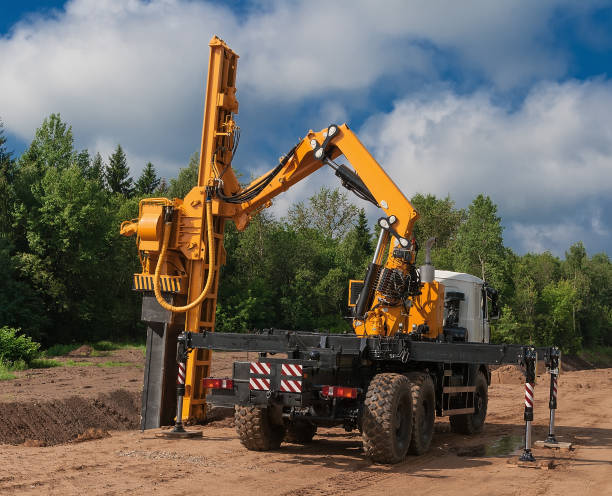
Hydraulic cylinders do a lot of the heavy work in construction machinery, forklifts, cranes, trucks, agricultural equipment and industrial systems. When a cylinder starts leaking, loses pressure or moves unevenly, the effect can be felt across the whole machine. Hydraulic Cylinder Repairs can help restore that performance without automatically replacing the entire component.
For businesses in Brisbane, getting a hydraulic fault checked early can prevent a small issue from turning into a costly breakdown. Hydraulic Cylinder Repairs can help identify worn parts, restore cylinder performance and keep equipment operating reliably.
Why Are Hydraulic Cylinder Repairs Important?
A hydraulic cylinder works by using pressurised fluid to create controlled mechanical movement. It may lift, push, pull, tilt or position a load, depending on the equipment.
Because these components regularly operate under pressure and repeated loads, wear is expected over time. Seals can deteriorate, rods can become scratched or bent, and internal components can lose their proper fit.
Ignoring these signs is rarely a good idea. A minor leak, for example, may eventually affect cylinder performance and increase the amount of hydraulic fluid being lost.
Professional Hydraulic Cylinder Repairs focus on finding the reason for the failure rather than simply fixing the most obvious symptom. That makes the repair more useful in the long term.
What Does a Hydraulic Cylinder Repair Service Include?
The exact work depends on the type of cylinder and the fault involved. A hydraulic cylinder repair service generally starts with an inspection to understand what has gone wrong.
If the cylinder needs more detailed attention, it can be removed and disassembled. Individual parts such as seals, pistons, rods, wear rings and other internal components can then be checked for damage or excessive wear.
Some cylinders only require new seals. Others may need rod work, component replacement or a more extensive rebuild.
This inspection is important because replacing one damaged part may not solve the original problem. For instance, fitting a new seal to a cylinder with a badly scored rod may only result in another leak shortly afterwards.
What Are the Main Benefits of Hydraulic Cylinder Repairs?
There are several reasons why repairing a serviceable cylinder can make sense.
1. Less Equipment Downtime
A failed cylinder can bring a machine to a standstill. If that machine is involved in lifting, earthmoving, material handling or production work, even a short delay can affect normal operations.
Timely Hydraulic Cylinder Repairs can help get the component back into working condition sooner. Depending on the fault, a workshop repair may also allow the cylinder to be properly dismantled, inspected and tested before it is returned to the machine.
2. Longer Component Life
Not every damaged cylinder needs to be replaced. If the main components are still structurally sound, worn parts can often be repaired or replaced.
A hydraulic cylinder refurbishment may include cleaning, inspection, seal replacement and restoration of selected components. This can give an older cylinder another useful service period.
The important point is to assess the cylinder first. Refurbishment is worthwhile when the condition of the component makes it a sound option.
3. More Consistent Performance
A cylinder with worn seals or internal damage may not operate smoothly. It might move slowly, drift under load or struggle to produce the expected force.
Proper Hydraulic Cylinder Repairs can restore the condition of important working components and help the cylinder perform more consistently.
This matters particularly when machinery depends on controlled movement. Uneven cylinder operation can make equipment harder to operate and may affect the quality of the work being carried out.
4. Potentially Lower Replacement Costs
Replacing an entire cylinder is not always necessary. A professional assessment can determine whether the existing unit can be safely restored.
A hydraulic cylinder rebuild may be suitable when the barrel and other major parts remain usable. Damaged seals, wear components and other serviceable parts can be replaced as required.
There are limits, of course. If the cylinder has serious structural damage or the cost of restoring it is close to the price of a suitable replacement, replacement may be the more sensible choice.
What Should Be Checked During Hydraulic Cylinder Repairs?
A proper repair involves more than looking for an external oil leak. Several parts of the cylinder can affect its performance.
| Component | What to check |
| Rod | Scoring, bending or corrosion |
| Seals | Wear, damage or leakage |
| Barrel | Internal scoring or damage |
| Piston | Wear and sealing condition |
| Mountings | Alignment and excessive movement |
Checking these areas helps technicians understand whether the fault is isolated or whether several components have been affected.
How Can Hydraulic Cylinder Repairs Improve Workplace Safety?
Hydraulic equipment can store considerable energy. A damaged cylinder can therefore create more than an equipment-performance issue.
Unexpected movement, falling loads and escaping pressurised fluid can all present hazards. Equipment should be isolated and made safe before repair work begins, and workers should follow the manufacturer’s instructions and relevant workplace procedures.
WorkSafe Queensland provides guidance on machinery and equipment safety, including the need to control risks associated with hydraulic-powered machinery. Its guidance is particularly relevant when equipment is being inspected, maintained or repaired.
For additional information, businesses can refer to the Queensland Government’s machinery safety guidance.
Safety should remain part of the repair process from the initial inspection through to testing and recommissioning.
When Is Hydraulic Ram Repairs Work Needed?
Hydraulic rams are another common name for hydraulic cylinders, particularly in some industries and applications. Hydraulic ram repairs may be needed when the ram develops leakage, loses force, becomes difficult to extend or retract, or shows visible damage.
The cause can vary considerably. A worn seal is one possibility, but rod damage, contamination, misalignment or excessive side loading can also contribute to the problem.
This is why a technician should assess the complete cylinder instead of assuming that every leak requires the same repair.
When Is Hydraulic Cylinder Leak Repair Necessary?
A visible pool or film of hydraulic oil around a cylinder is an obvious warning sign. However, leakage does not always appear in the same way.
A hydraulic cylinder leak repair may be required when oil is escaping past a worn rod seal, piston seal or another damaged sealing component. Internal leakage can be harder to spot because the oil may remain inside the cylinder while the machine gradually loses performance.
Signs of internal leakage can include cylinder drift, reduced force or difficulty holding a load in position.
Leaving a known leak unattended can increase fluid consumption and may allow further component wear. Early inspection is usually a more practical approach.
What Is Involved in Hydraulic Cylinder Seal Replacement?
Seals are designed to keep hydraulic fluid where it belongs and maintain pressure within the cylinder. Over time, they can harden, wear or become damaged.
Hydraulic cylinder seal replacement involves removing the old sealing components and fitting suitable replacements. However, simply installing new seals is not always enough.
The rod and seal grooves should also be checked. If a rod has a rough or damaged surface, it can quickly damage the new seal. The replacement seals must also be appropriate for the cylinder, hydraulic fluid, pressure and operating conditions.
A careful inspection before reassembly can help prevent an immediate repeat failure.
When Does Hydraulic Cylinder Rod Repair Become Necessary?
The rod is one of the most exposed parts of a hydraulic cylinder. It can come into contact with dirt, moisture and other contaminants while the machine is operating.
Over time, corrosion, scoring or bending can develop. Hydraulic cylinder rod repair may be possible where the damage is within acceptable limits. More severe damage may require the rod to be replaced.
Rod condition is especially important because the rod passes directly through the seals. A damaged surface can cause premature seal wear even after a new seal kit has been installed.
How Does Hydraulic Cylinder Maintenance Prevent Problems?
Regular hydraulic cylinder maintenance gives operators an opportunity to identify developing problems before they cause an unexpected breakdown.
The inspection routine should suit the equipment and operating environment. Machinery working in dusty, wet, high-load or demanding conditions may need closer attention than equipment used less frequently.
Basic checks can include looking for oil leaks, checking the condition of exposed rods, observing unusual movement and paying attention to changes in cylinder performance.
Hydraulic fluid conditions should also be considered. Contaminated fluid can contribute to wear throughout the hydraulic system and may shorten the life of internal components.
Good hydraulic cylinder servicing is therefore not only about repairing failures. It is also about keeping the cylinder and the wider hydraulic system in suitable working condition.
What Equipment Can Need Hydraulic Cylinder Repairs?
Hydraulic Cylinder Repairs are relevant to a wide range of machinery used across Brisbane and surrounding areas.
Construction and earthmoving equipment commonly relies on cylinders for lifting, digging and positioning. Forklifts use hydraulic cylinders for material handling, while trucks and transport equipment may use them for tipping and other functions.
Agricultural machinery, manufacturing equipment, waste-handling systems and specialised industrial equipment can also depend on hydraulic cylinders.
Hydraulink Brisbane North provides cylinder repair and resealing services from its Eagle Farm workshop and supports hydraulic equipment used across different industries. Its services also include hydraulic fault finding and other hydraulic equipment repairs.
Why Choose Professional Hydraulic Cylinder Repairs in Brisbane?
Hydraulic faults are not always straightforward. Two cylinders can show similar symptoms while having completely different causes.
Professional Hydraulic Cylinder Repairs provide a more reliable way to identify the actual problem before deciding what work is needed. A technician can determine whether the cylinder requires seal replacement, rod repair, refurbishment or a complete rebuild.
For Brisbane operators, this can also help avoid unnecessary replacement costs and reduce the risk of returning a poorly repaired component to service.
Hydraulink Brisbane North offers hydraulic cylinder repair and resealing services from its Eagle Farm workshop. Businesses can also access broader hydraulic equipment repairs and fault-finding support where the cylinder problem forms part of a larger hydraulic issue.
Conclusion
A hydraulic cylinder does not always need to be replaced when it starts showing signs of wear. Professional Hydraulic Cylinder Repairs can restore suitable components, address the source of a fault and help extend the useful life of machinery.
For Brisbane businesses, acting early can also help reduce downtime and avoid more extensive damage. Get Expert Help if your equipment is showing signs of leakage, poor movement or reduced hydraulic performance, and speak with Hydraulink Brisbane North to discuss the appropriate repair, resealing or servicing option.
Frequently Asked Questions
1. How do I know if I need Hydraulic Cylinder Repairs?
Oil leakage, slow movement, cylinder drift, reduced lifting force, unusual movement and visible rod damage are common warning signs. A professional inspection can confirm the cause.
2. Can a hydraulic cylinder be repaired instead of replaced?
In many cases, yes. A cylinder with worn seals or repairable component damage may be suitable for repair or refurbishment. Severe structural damage may make replacement more appropriate.
3. How often should hydraulic cylinder maintenance be carried out?
There is no universal interval. Maintenance should take into account equipment use, working conditions, operating hours and manufacturer recommendations. Regular inspections can help identify problems earlier.
4. What is included in hydraulic cylinder servicing?
Depending on the fault, servicing may include inspection, disassembly, cleaning, seal replacement, component repairs, reassembly and testing. The required work depends on the cylinder’s condition.
5. Are Hydraulic Cylinder Repairs suitable for industrial machinery?
Yes. Hydraulic cylinders are widely used in industrial, construction, transport, agricultural and material-handling equipment. The repair method should be selected according to the cylinder design and application.