Hydraulic systems rarely fail with a polite warning. They usually start with a tiny hiss, a warm hose, a damp fitting, or a machine that suddenly feels a bit off. Then, right when you need the gear most, the whole day takes a turn. That is exactly why hydraulic preventative maintenance matters. It keeps small issues small, protects your equipment, and saves you from the kind of breakdown that loves to show up at the worst possible time.
In Brisbane, that matters even more. Heat, dust, stop-start work, coastal air, and heavy daily use all put extra pressure on hoses, seals, cylinders, and fittings. If you run machinery for construction, transport, manufacturing, warehousing, agriculture, or waste, you already know the game: downtime costs money, and it never arrives alone.
If you want a practical local starting point, I’ve put together a simple page on hydraulic preventative maintenance in Brisbane that shows how this kind of care fits a busy worksite without making the whole process feel like rocket science.
What Hydraulic Preventative Maintenance Really Means
At its core, hydraulic preventative maintenance means you check, clean, test, and replace parts before they fail. You do not wait for a hose to burst or a cylinder to start leaking all over the place like it is trying to paint the floor. You stay ahead of the problem. That is the whole trick.
I like to think of it as a health check for your equipment. You are not guessing. You are looking for wear, heat damage, cracks, contamination, loose fittings, and pressure changes that hint at trouble. The goal is simple: keep the system strong, clean, and predictable.
Why It Pays to Stay Ahead of the Breakdowns
A good maintenance routine does more than stop leaks. It protects uptime, keeps operators safer, and helps your gear last longer. A machine that gets regular attention usually works smoother, runs cooler, and gives you far fewer surprises. That is not fancy marketing. That is just common sense with grease under its fingernails.
It also helps you plan better. Instead of scrambling for emergency repairs, you can schedule service when it suits your job, your crew, and your production flow. That matters in Brisbane, where projects move fast and every lost hour can throw the rest of the week out of rhythm.
Signs Your Hydraulic System Needs Attention
The warning signs often show up early if you know where to look. Watch for oil around hose ends, hoses that look glazed or rubbed through, slower machine response, jerky movement, weak lift power, unusual heat near pumps or cylinders, and fluid that looks dirty or foamy.
Those little clues matter because hydraulic preventative maintenance works best when you catch the problem before it turns into a shutdown.
What a Solid Maintenance Plan Should Cover
A solid plan covers the parts that wear out first and the areas that collect the most stress. I would build it around hose inspections, fitting checks, cylinder checks, fluid checks, filter reviews, and a quick look at pressure behaviour. Keep the process simple enough that your team actually uses it. If the routine feels like a chore from a spy movie, nobody will stick with it.
When you work around plants and machinery, you also need to keep safety in the picture. Safe Work Australia’s plant and machinery guidance reminds businesses to keep plants safe, manage risks, and make sure workers get the right training and supervision.
That fits hydraulic preventative maintenance perfectly, because a well-kept hydraulic system does not just run better it also supports a safer workplace.
| Maintenance task | What you look for | Why it matters |
| Hose inspection | Cracks, rubbing, bulges, soft spots | Stops sudden hose failure |
| Fitting check | Loose fittings, seepage, corrosion | Reduces leaks and pressure loss |
| Fluid check | Dirty, burnt, or foamy fluid | Protects pumps and valves |
| Cylinder check | Reseal needs, drift, scoring | Keeps lifting and pushing accurate |
| Filter review | Blockages and overdue changes | Keeps contamination out of the system |
Once the checklist is in place, the next step is making it usable on a real job. I like a rhythm that feels almost too simple: clean the area, look for leaks, check the obvious wear points, run the machine, then log what changed.
That last part matters more than people think. A note from last week can turn a vague concern into a clear pattern, and patterns are where hydraulic preventative maintenance starts saving real money.
You do not need a complicated spreadsheet that only three people understand. You need a clear routine: daily visual checks, weekly look-overs, monthly deeper inspections, and scheduled servicing based on how hard the equipment works.
In Brisbane North, I would also build in seasonal checks before peak workloads, because heat and heavy use love to reveal weak spots at the most inconvenient time. Hydraulic preventative maintenance works best when it stays practical, visible, and easy to follow.
Different sites feel the benefits in different ways. Construction teams get fewer surprise stoppages. Transport fleets keep tail lifts and tipping gear moving. Warehouses avoid the domino effect that starts with one failed hose and ends with a messy afternoon.
Agricultural operators reduce the risk of a breakdown during peak work, which is the mechanical version of missing the ferry by ten seconds. Whatever the setup, hydraulic preventative maintenance gives you control, and control is worth its weight in time saved.
A proper service visit should feel calm and methodical, not rushed and mysterious. I would expect the technician to check hose condition, look for chafing, confirm fittings stay tight, inspect seals, review fluid quality, test pressure where needed, and make a note of anything that could turn into a bigger job later.
That kind of attention gives you a useful snapshot of the whole system. It also turns hydraulic preventative maintenance from a vague idea into a real working habit. Once that habit kicks in, your equipment usually behaves much better, and your team spends less time playing detective.
Mistakes That Cost More Than They Should
Some of the biggest problems come from small bad habits. People wait too long to replace worn hoses. They wipe away a leak and call it fine for now. They use the wrong fluid.
They skip filter changes. They fix one issue and ignore the cause, which is a bit like putting a plaster on a leaking roof. I would avoid that every time.
How to Build a Maintenance Schedule That Actually Gets Used
You do not need a complicated spreadsheet that only three people understand. You need a clear routine: daily visual checks, weekly look-overs, monthly deeper inspections, and scheduled servicing based on how hard the equipment works.
In Brisbane North, I would also build in seasonal checks before peak workloads, because heat and heavy use love to reveal weak spots at the most inconvenient time. Hydraulic preventative maintenance works best when it stays practical, visible, and easy to follow.
Why Brisbane Businesses See the Biggest Wins
Different sites feel the benefits in different ways. Construction teams get fewer surprise stoppages. Transport fleets keep tail lifts and tipping gear moving. Warehouses avoid the domino effect that starts with one failed hose and ends with a messy afternoon.
Agricultural operators reduce the risk of a breakdown during peak work, which is the mechanical version of missing the ferry by ten seconds. Whatever the setup, hydraulic preventative maintenance gives you control, and control is worth its weight in time saved.
Conclusion
If you treat hydraulic systems like they only need attention when they fail, you will spend more time fixing breakdowns than getting work done. If you treat them well, they reward you with smoother operation, fewer surprises, and a lot less stress for everyone on site.
That is the real value of hydraulic preventative maintenance. It keeps your gear working, your team moving, and your job on track.
do not wait for a hose burst, a cylinder drift, or a costly shutdown to start taking maintenance seriously. Book the inspection, tighten the routine, and give your equipment the care it deserves.
Frequently Asked Questions
What is hydraulic preventative maintenance?
It is the regular inspection, cleaning, testing, and servicing of hydraulic components before problems occur. This helps prevent breakdowns, extend equipment life, and improve reliability.
How often should hydraulic hoses be inspected?
Hydraulic hoses should receive a quick visual inspection daily and a more detailed check at scheduled service intervals. High-use equipment may require more frequent inspections.
What causes hydraulic hose failure?
Common causes include heat, abrasion, vibration, pressure spikes, contamination, improper installation, and normal wear over time. Regular inspections help identify these issues early.
Does preventative maintenance really reduce downtime?
Yes. Preventative maintenance helps detect small issues before they become major failures, reducing unexpected breakdowns and keeping equipment operating efficiently.
What should a hydraulic maintenance checklist include?
A checklist should cover hoses, fittings, seals, cylinders, hydraulic fluid, filters, pressure levels, and signs of leaks, wear, heat, or vibration.
Is hydraulic preventative maintenance worth it for smaller sites?
Absolutely. Even small operations can benefit from fewer repairs, lower maintenance costs, improved safety, and more reliable equipment performance.
Why does Brisbane weather matter so much for hydraulics?
Brisbane’s heat, humidity, and dusty conditions can accelerate wear on hydraulic components. Regular maintenance helps protect systems from environmental damage.
Can mobile hydraulic service help with preventative maintenance?
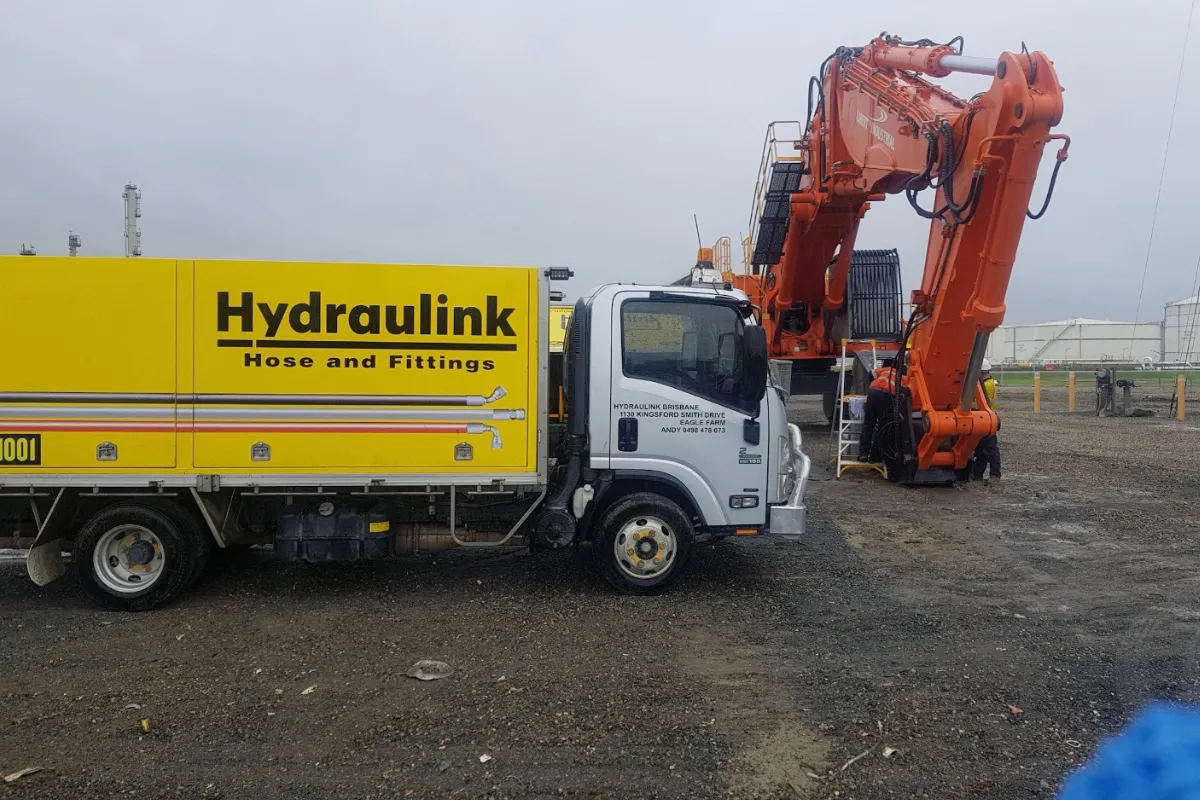
Yes. Mobile hydraulic services provide on-site inspections and repairs, making maintenance more convenient while reducing equipment downtime and transport costs.