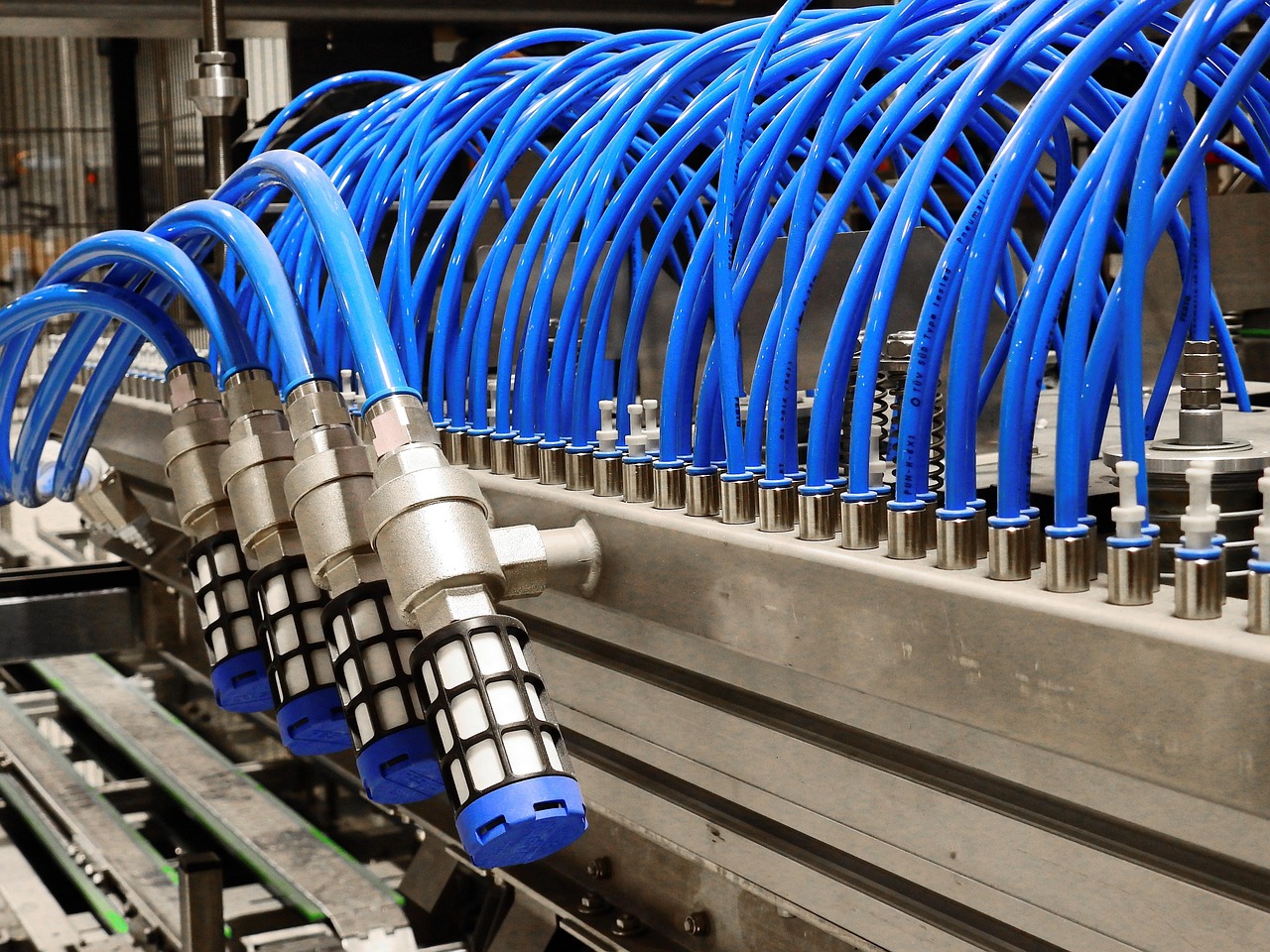
If you work around compressors, air tools, plant equipment or factory lines, you already know this: a good air system feels invisible when it works and maddening when it does not. That is the whole game with pneumatic hose & fittings.
When they are matched properly, your gear runs smoothly, your crew keeps moving, and nobody wastes half a morning chasing a tiny leak like it owes them money.
In Brisbane’s industrial world, that matters more than most people realise. Heat, dust, constant use and long shifts can all chew through the wrong hose or a dodgy connector. I have seen a “small” air leak turn into a loud, expensive headache fast.
The good news? Once you understand what to look for, choosing the right air line setup gets much easier.
If you are comparing options right now, start with this pneumatic hose & fittings in Brisbane service page and use it as a practical reference point for your next upgrade or replacement.
What Pneumatic Hose & Fittings Actually Do
A pneumatic system moves compressed air from one point to another. The hose carries the air, and the fittings hold everything together so the pressure stays where it should.
Simple job. Big consequences.
When both parts suit the application, you get steady airflow, less downtime, and safer operation. When they do not, you get pressure loss, wear, blow-offs and the kind of rattling noise that makes everyone look up at once.
Why the Right Setup Matters in Industrial Work
Industrial sites do not ask politely. They put gear through dust, vibration, weather and long run times. That means your compressed air hose needs more than a “close enough” fit.
The right pneumatic hose & fittings help you:
- keep air pressure stable
- reduce leaks and wasted energy
- improve tool performance
- lower the chance of hose whip or connector failure
- make maintenance simpler and faster
And yes, that also means fewer “quick fixes” with tape and hope. Hope is not a fitting system.
Common Types of Pneumatic Hose & Fittings
Not every air hose does the same job. I like to think of them as different shoes for different terrain. You would not wear thongs on a factory floor, and you should not force a light-duty hose into a harsh industrial line.
Here is a simple comparison:
| Hose / Fitting Type | Best For | Main Benefit | Watch Out For |
| Rubber air hose | Heavy-duty site work | Flexible and tough | Can be heavier than other options |
| PVC air hose | Light to medium air tasks | Budget-friendly and easy to handle | Can stiffen in cold or rough conditions |
| Hybrid hose | Mixed industrial use | Good balance of strength and flexibility | Check the pressure rating carefully |
| Push-in fittings | Fast assembly | Quick to install | Must match hose size exactly |
| Threaded fittings | Permanent connections | Strong and reliable | Needs correct thread type and seal |
| Quick-release couplers | Frequent tool changes | Saves time during setup | Quality matters a lot here |
How I Choose the Right Pneumatic Hose & Fittings
When I look at an air line job, I always start with the basics. No fancy tricks. Just the boring details that save the day later.
Check these points first:
- Pressure rating – The hose and fittings must handle the maximum working pressure.
- Size – Match the internal diameter to the airflow your tools need.
- Length – Long enough to work comfortably, but not so long that it becomes a spaghetti mess.
- Flexibility – Important if the hose bends around corners or moves often.
- Resistance – Heat, abrasion, oil and sunlight all matter in industrial spaces.
- Connection type – Make sure the fittings suit the hose and the equipment.
A lot of problems start when people treat these as optional. They are not.
Understanding Pneumatic Hose Size, Airflow and Performance
Choosing pneumatic hose & fittings is not only about finding something that connects correctly. The size of your hose can directly affect how well your tools perform. I often see people focus on the compressor pressure and forget about airflow, but both work together.
A hose that is too narrow can restrict airflow and make equipment feel weaker than it should. Your compressor may be working hard, but the tool at the other end still struggles because the air cannot move efficiently through the line.
For industrial applications, I always look at three important factors:
- Internal diameter: A larger inside diameter usually allows better airflow over longer distances.
- Hose length: Extra length creates more opportunity for pressure drop, especially when tools demand high airflow.
- Fitting size: A small fitting can become a bottleneck even when the hose itself is suitable.
For example, a workshop using impact tools, grinders or production equipment may need a different setup compared with someone using a small air gun for occasional cleaning tasks.
The right combination helps your equipment work closer to its full capability while reducing unnecessary strain on the compressor. It also creates a cleaner, more efficient workspace because your air system does not constantly fight against restrictions.
When planning a new pneumatic setup, I recommend looking at the complete system rather than choosing parts individually. The hose, fittings, compressor and tools all need to work together like a team. When one part does not match, the whole system feels it.
Where Pneumatic Hose & Fittings Get Used
You will find pneumatic hose & fittings in plenty of Brisbane industrial settings, including:
- workshops and fabrication bays
- manufacturing plants
- vehicle service areas
- packaging and assembly lines
- mines and heavy industry support work
- construction and site maintenance
- agricultural equipment setups
Air tools, blow guns, spray systems, automation equipment and control lines all rely on solid airflow. So when the hose or fittings go weak, the whole rhythm of the job gets thrown off.
Common Signs Your Air Line Needs Attention
A lot of people wait until something fails. That is a bold strategy, and not a smart one.
Watch for these warning signs:
- hissing sounds around joins
- cracked or brittle hose covers
- kinks that keep coming back
- fittings that loosen repeatedly
- pressure drops at the tool end
- visible wear near bends or connection points
If you spot more than one of those, I would not “keep an eye on it.” I would replace it.
Safety Comes First, Every Time
Compressed air looks harmless because it is invisible. That is exactly why people underestimate it. Before installing, inspecting or replacing air equipment, I always recommend checking reliable workplace safety guidance and understanding the risks involved.
Resources from Safe Work Australia explain important workplace safety practices that help businesses manage equipment hazards properly.
You can also explore general compressed air system information from the Compressed Air & Gas Institute (CAGI) to better understand system efficiency, maintenance and best practices.
A few habits make a big difference:
- isolate pressure before disconnecting anything
- never use damaged hose or mismatched fittings
- secure connections properly
- keep hoses away from sharp edges and hot surfaces
- inspect couplers and clamps regularly
In a workplace, safety is not an extra credit. It is the price of admission.
Maintenance Tips That Save Time and Money
Good maintenance keeps an air system feeling almost boring, which is exactly what you want.
I suggest this simple routine:
- wipe down hoses after dirty jobs
- check fittings for leaks weekly
- replace worn seals before they fail
- store hoses out of direct sun when possible
- coil hoses properly instead of folding them sharply
- tag or label different air lines clearly
That last one sounds tiny, but it saves time fast. Nobody enjoys tracing the mystery hose like they are solving a crime scene.
The Mistakes I See Most Often
Here is where people trip up.
They buy the cheapest hose. They mix the wrong fittings. They ignore pressure ratings. They stretch a hose too far. Then they act surprised when the line fails under load.
The most common mistakes are:
- choosing the wrong hose size
- using fittings that do not match the thread or hose style
- ignoring abrasion resistance
- running hoses too close to moving machinery
- skipping routine checks
- treating compressed air like it cannot hurt anyone
It can. Very much so.
Pneumatic Hose & Fittings in Brisbane Worksites
Brisbane industrial sites often need fast turnarounds and reliable parts that can handle real-world conditions. That is why I always lean toward equipment that suits the job, not just the catalogue photo.
If your site uses air tools, compressors or production equipment, the right pneumatic hose & fittings setup can improve output without making the whole system more complicated. That is the sweet spot: strong, tidy and easy to service.
Final Thoughts
A solid air system does not get applause. It just gets the work done. And honestly, that is the best kind of setup.
If you choose the right pneumatic hose & fittings, keep the pressure rating in check, and stay on top of maintenance, you will avoid a lot of annoying breakdowns later. You will also give your team a cleaner, safer and more reliable setup to work with every day.
Ready to improve your air system? Review your current hoses, check the fittings, and speak with a local Brisbane specialist before the small problems turn into costly downtime.
FAQs About Pneumatic Hose & Fittings
1. What is the difference between a pneumatic hose and hydraulic hose?
Pneumatic hose carries compressed air, while hydraulic hose carries fluid under much higher pressure. They serve different jobs and should not be swapped around.
2. How do I know which pneumatic fitting I need?
Check the hose size, thread type, pressure rating and connection style. If any of those do not match, the setup can leak or fail.
3. Can I use one hose for all air tools?
Not always. Different tools need different airflow and pressure, so I usually match the hose to the heaviest job it needs to handle.
4. How often should I inspect pneumatic hose & fittings?
I would inspect them regularly, especially on busy industrial sites. Weekly checks work well for many workplaces, with extra checks after rough use.
5. What causes air hose leaks most often?
Loose fittings, worn seals, cracks in the hose cover, poor installation and abrasion usually cause most leaks.
6. Are quick-release couplers safe?
Yes, when you use quality couplers and install them correctly. Cheap or worn couplers can create leaks or disconnect under pressure.
7. What is the best way to store air hoses?
Keep them coiled neatly, away from sharp edges, direct sunlight and heavy traffic areas. Rough storage shortens the hose life quickly.