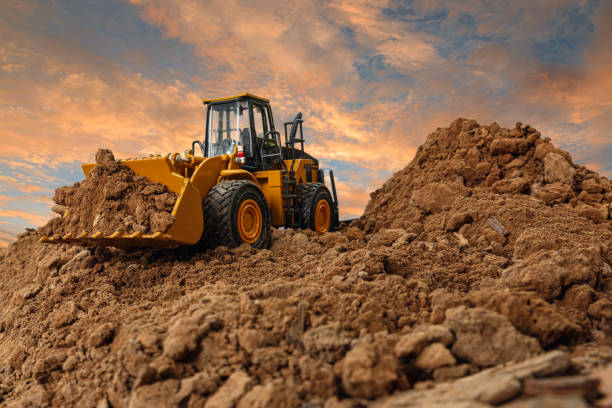
When your machinery works hard every day, it speaks to you in its own way. A small hydraulic leak. A slower boom movement. An unusual sound during operation. These signs might seem minor at first, but they often tell a much bigger story. If you ignore them, today’s small repair can quickly become tomorrow’s expensive shutdown.
In Brisbane’s mining and earthmoving industry, time is money. Every hour your machine sits idle affects productivity, project deadlines, and operating costs. I have seen businesses spend thousands replacing major hydraulic components simply because they delayed fixing what started as a simple issue.
That’s why investing in Mining & Earthmoving Hydraulic Repairs at the right time matters. Regular hydraulic maintenance keeps your equipment performing at its best while protecting your investment over the long term.
Hydraulic systems work under immense pressure every single day. They power excavators, loaders, graders, dump trucks, and countless other machines that keep Australian projects moving. When one hydraulic component fails, it rarely affects only one part of the machine. Problems often spread quickly throughout the entire system.
Many operators delay repairs because equipment still appears operational. Unfortunately, hydraulic issues rarely fix themselves. Small leaks become larger leaks. Worn hoses begin to crack. Contaminated hydraulic oil damages pumps, valves, and cylinders. Before long, what should have cost hundreds can easily cost thousands.
The truth is simple. Preventive repairs almost always cost less than emergency replacements.
Small Problems Become Big Expenses
One leaking hydraulic hose may seem harmless. However, hydraulic systems depend on precise pressure levels to operate safely and efficiently.
Delaying repairs can lead to:
- Hydraulic pump damage
- Reduced machine performance
- Increased fuel consumption
- Unexpected downtime
- Higher labour costs
- Premature component failures
- Workplace safety risks
Every hydraulic component relies on another component working correctly. When one part struggles, the entire system works harder than it should.
If you continue operating damaged equipment, repair costs often multiply without warning.
For practical guidance on maintaining safe hydraulic equipment and workplace practices, visit Safe Work Australia’s guidance materials.
The Real Cost of Equipment Downtime
Mining and earthmoving projects rarely stop for mechanical problems. Deadlines remain the same regardless of whether your equipment operates properly.
Consider the hidden costs associated with downtime:
| Hidden Cost | Business Impact |
| Equipment downtime | Lost productivity |
| Project delays | Missed deadlines |
| Emergency repairs | Higher labour costs |
| Replacement parts | Increased expenses |
| Operator idle time | Reduced efficiency |
| Transport costs | Additional service charges |
| Safety incidents | Compliance concerns |
Downtime affects more than machinery. It affects your entire operation.
When one excavator stops working unexpectedly, operators wait, schedules change, and project timelines suffer. The financial impact often extends well beyond the repair invoice.
Hydraulic Hose Failures Cost More Than You Think
Hydraulic hoses perform one of the toughest jobs on any machine. They constantly withstand extreme temperatures, pressure changes, vibration, and harsh Australian working conditions.
Common warning signs include:
- Oil leaks around fittings
- Surface cracking
- Bulging hoses
- Reduced machine responsiveness
- Unusual hydraulic noises
- Visible wear and abrasion
Ignoring these signs increases the risk of sudden hose failures onsite.
Imagine an excavator stopping midway through a major Brisbane project because a damaged hose finally gives way. Suddenly, you face emergency repairs, lost production time, potential environmental cleanup, and frustrated project managers.
A scheduled repair simply costs less.
Contaminated Hydraulic Oil Creates Expensive Problems
Hydraulic oil functions much like blood within your machinery. When contamination enters the system, problems spread quickly.
Common contaminants include:
- Dirt
- Water
- Metal particles
- Air contamination
- Degraded hydraulic fluid
Contaminated oil damages:
- Hydraulic pumps
- Cylinders
- Valves
- Filters
- Seals
- Hydraulic motors
Replacing a hydraulic pump costs significantly more than performing routine inspections and maintenance.
Regular hydraulic servicing protects expensive components before contamination causes irreversible damage.
Cylinder Damage Often Starts Small
Hydraulic cylinders play an essential role in mining and earthmoving equipment. They control lifting, digging, pushing, and countless other operations.
Small cylinder issues often include:
- Minor oil leaks
- Slow operation
- Damaged seals
- Scratched cylinder rods
- Reduced pressure performance
When operators delay repairs, these minor problems quickly become major failures.
Replacing seals early costs substantially less than replacing an entire hydraulic cylinder assembly. Likewise, repairing surface damage immediately prevents contamination from entering sensitive hydraulic components.
Routine inspections make a significant difference to equipment longevity.
Emergency Repairs Always Cost More
Planned maintenance offers businesses greater control over repair schedules and operating costs.
Emergency repairs usually involve:
- Immediate machine shutdown.
- Higher labour expenses.
- Additional transport costs.
- Production delays.
- Rush replacement parts.
- Reduced project efficiency.
Let’s compare both approaches.
| Planned Repairs | Emergency Repairs |
| Lower costs | Higher costs |
| Scheduled downtime | Unexpected downtime |
| Better productivity | Project interruptions |
| Preventive maintenance | Major component failures |
| Greater equipment lifespan | Increased wear and damage |
Waiting rarely saves money. In most cases, it simply delays larger expenses.
Brisbane Conditions Demand Reliable Hydraulic Performance
Brisbane’s construction, mining, and earthmoving environments challenge hydraulic equipment every day.
Machines regularly encounter:
- Dust
- Heat
- Heavy loads
- Continuous operation
- Rough terrain
- High-pressure applications
These conditions naturally increase wear across hydraulic systems.
Regular inspections help identify potential problems before they become operational emergencies. Hydraulic maintenance isn’t simply about fixing broken components. It’s about protecting your productivity, profitability, and project schedules.
Signs Your Hydraulic Repairs Shouldn’t Wait
If you notice any of the following issues, your equipment deserves immediate attention:
- Hydraulic fluid leaks
- Reduced lifting performance
- Slow cylinder movement
- Excessive machine vibration
- Hydraulic pressure loss
- Overheating components
- Unusual noises during operation
- Visible hose deterioration
Ignoring these warning signs often leads to avoidable repair bills.
Machines rarely fail without providing some form of warning. Paying attention to those early signs saves both time and money.
Why Preventive Maintenance Makes Financial Sense
Preventive hydraulic maintenance delivers benefits that extend far beyond repair costs.
These include:
- Improved equipment reliability
- Longer component lifespan
- Reduced downtime
- Better workplace safety
- Increased operational efficiency
- Lower repair expenses
- Greater project productivity
Think of hydraulic maintenance as insurance for your machinery.
A modest investment today often prevents significant expenses tomorrow.
When businesses consistently prioritise maintenance, they enjoy fewer disruptions and greater confidence in their equipment’s performance.
Conclusion
Delaying hydraulic repairs rarely saves money. Instead, it quietly increases downtime, repair costs, and operational risks. Small problems often grow into expensive emergencies when businesses overlook early warning signs.
Mining and earthmoving equipment works hard every day. Giving it timely care keeps projects moving, protects your investment, and improves productivity across your operation.
If your machinery shows signs of hydraulic wear, don’t wait for a complete failure. Get in touch with our team today and keep your equipment performing at its best before minor repairs become major expenses.
Frequently Asked Questions
How often should hydraulic systems undergo inspection?
Most mining and earthmoving equipment benefits from regular inspections based on operating hours and working conditions. High-use machinery often requires more frequent assessments.
What causes hydraulic hose failures?
Hydraulic hose failures commonly occur because of wear, contamination, pressure fluctuations, improper installation, and environmental exposure.
Can small hydraulic leaks become major problems?
Yes. Even minor leaks can reduce system pressure, damage components, contaminate hydraulic oil, and increase repair costs if operators delay repairs.
Why are hydraulic repairs important for earthmoving equipment?
Hydraulic systems power critical machine functions. Prompt repairs improve reliability, productivity, safety, and equipment longevity across demanding applications.
Does preventive maintenance reduce operating costs?
Absolutely. Preventive maintenance helps businesses avoid costly emergency repairs, unexpected downtime, and premature component replacements.
What are the warning signs of hydraulic cylinder problems?
Slow movements, leaking seals, reduced lifting capacity, unusual noises, and pressure loss often indicate hydraulic cylinder issues that require immediate attention.