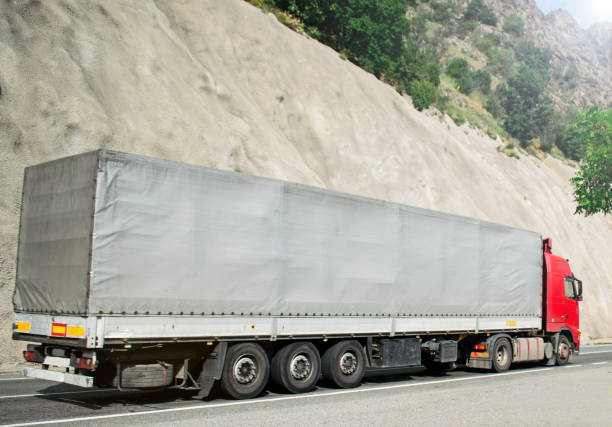
When you’re driving a loaded commercial vehicle through Brisbane traffic, you want one thing to work every single time: the brakes. There’s no room for guesswork when tonnes of machinery, goods or equipment are behind you.
That’s why I always see quality Air brake supplies as more than just replacement parts. They form part of a braking system that needs to deliver dependable performance, especially when your vehicle works hard, travels long distances or faces changing road conditions.
For businesses that rely on commercial vehicles every day, choosing the right Air brake supplies can make a noticeable difference to reliability, maintenance and overall fleet performance. A small component might not look impressive, but in a braking system, small parts can have a very big job.
What Are Air Brake Supplies?
Air brake supplies cover the hoses, fittings, connectors and related components that help compressed air move through a vehicle’s braking system.
Commercial vehicles commonly use compressed air because the system can provide the force required to operate brakes on heavy trucks, trailers and other large vehicles. The system depends on several components working together. If one part leaks, cracks, loosens or deteriorates, the whole system can suffer.
Common air brake supplies components can include:
- Air brake hoses
- Air lines
- Couplings and connectors
- Fittings and adaptors
- Airline accessories
- Pneumatic components
- Replacement hose assemblies
Think of the system like a team. Every player needs to do their job properly. If one decides to take the afternoon off, the rest of the team has a problem.
Why Quality Matters in Commercial Vehicle Braking
Commercial vehicles operate under demanding conditions. They carry heavy loads, spend long hours on the road and often deal with heat, vibration, dust, moisture and constant movement.
I wouldn’t treat an air brake hose or fitting as an ordinary piece of hardware. It needs to handle the operating conditions of the vehicle and work correctly as part of the wider braking system.
Quality components can help you achieve:
- Reliable air pressure management
- Better resistance to wear
- Reduced risk of leaks
- Consistent braking system performance
- Longer component service life
- Fewer unexpected maintenance issues
The goal isn’t simply to buy the cheapest component that fits. The smarter approach involves choosing a component that suits the vehicle, application and operating conditions.
Poor-Quality Components Can Create Bigger Problems
Saving a few dollars on a component might sound sensible when you’re looking at a maintenance invoice. But commercial vehicle downtime can cost far more than the original part.
A poor-quality hose or fitting may deteriorate sooner, develop leaks or fail to perform as expected. That can lead to additional troubleshooting, repairs and unexpected interruptions to your schedule.
For a transport operator, that creates a frustrating domino effect.
Vehicle stops.
Delivery gets delayed.
Driver loses time.
Business operations take a hit.
Suddenly, that “cheap” component doesn’t look quite so cheap.
I prefer looking at the bigger picture: reliability, suitability and service life matter just as much as the initial purchase price.
Air Leaks: A Small Problem With a Big Consequence
Air leaks deserve particular attention in commercial braking systems.
A damaged hose, loose connection or deteriorated fitting can allow compressed air to escape. Depending on the location and severity of the issue, the leak can affect system performance and create additional pressure on other components.
You may notice signs such as:
- Hissing sounds around air lines
- Slow pressure build-up
- Unusual brake behaviour
- Frequent compressor operation
- Visible hose damage
- Cracked or worn fittings
If you hear an unfamiliar hiss around an air brake system, don’t simply turn up the radio and hope it disappears.
The National Heavy Vehicle Regulator recommends checking heavy vehicle brake systems during pre-start inspections and fixing brake defects before travel. NHVR brake inspection guidance.
Brisbane Conditions Make Component Quality Important
Brisbane commercial vehicles can experience a mix of operating environments. A truck might spend the morning moving through busy urban roads, head onto a motorway in the afternoon and then spend hours travelling between sites.
Queensland heat can also put additional demands on vehicle components. Add vibration, road debris, frequent braking and heavy loads, and you can see why component selection matters.
For vehicles working around Brisbane North, Eagle Farm, industrial areas and surrounding commercial zones, dependable components can support smoother maintenance routines.
You also need to think beyond the component itself. Correct fitting, routing and inspection matter just as much. Even a quality hose can cause problems if someone installs it incorrectly or subjects it to unnecessary rubbing, bending or heat.
How Quality Air Brake Supplies Support Fleet Reliability
Fleet reliability isn’t only about keeping a vehicle moving. It’s about reducing surprises.
When you use suitable air brake supplies and follow a sensible inspection routine, you give your maintenance team a better chance of spotting problems before they become breakdowns.
A practical maintenance approach can include:
- Inspect hoses and fittings regularly.
- Look for cracks, abrasion, swelling or other visible damage.
- Listen for unusual air leaks.
- Check connections and fittings.
- Replace damaged components promptly.
- Follow the vehicle and component manufacturer’s recommendations.
- Keep suitable replacement parts available for common repairs.
This approach can help turn reactive maintenance into preventative maintenance.
And honestly, preventative maintenance is much nicer than discovering a brake-related problem five minutes before a vehicle needs to leave the yard.
Choosing the Right Air Brake Components
Not every hose, fitting or connector suits every application. You should consider the vehicle, system requirements, operating environment and component specifications before selecting a replacement.
Here’s a simple way to approach the decision:
| What to consider | Why it matters |
| Vehicle type | Different commercial vehicles can have different braking requirements |
| Operating pressure | Components need to suit the system’s working conditions |
| Hose construction | Material and construction affect durability |
| Temperature | Components may face significant heat during operation |
| Routing | Poor routing can cause rubbing, bending or premature wear |
| Fittings | Correct connections help maintain system integrity |
| Application | Highway, construction and industrial use can create different demands |
If you’re unsure about compatibility, I’d rather see you ask before ordering than discover the wrong component halfway through a repair.
Why Correct Installation Matters
Buying quality Air brake supplies represents only part of the job. Correct installation matters just as much.
A technician needs to consider hose length, routing, connection points and the operating environment. The hose should not rub unnecessarily against surrounding components, become sharply bent or sit too close to excessive heat.
The same principle applies to fittings and connections. A component that looks right on the bench might not be right for the actual application.
Professional installation also gives you an opportunity to identify related problems. A technician might notice another ageing hose, damaged fitting or mounting issue while working on the original repair.
That extra pair of experienced eyes can save you another headache later.
Quality Air Brake Supplies Can Help Reduce Downtime
For commercial operators, downtime has a habit of appearing at the worst possible moment.
A vehicle breakdown can affect deliveries, projects, schedules, drivers and customers. If your business depends on trucks or equipment to keep operations moving, even a relatively small mechanical issue can quickly become a business problem.
Reliable components, regular inspections and access to suitable replacement parts can help you manage that risk.
It also helps when your supplier understands commercial and industrial applications. You want more than someone handing you a box and saying, “That should do it.”
You want practical advice, suitable components and support when you actually need it.
Quality vs Cheap: What Should You Prioritise?
Price obviously matters. Every business needs to control operating costs.
But I wouldn’t make price the only deciding factor when you’re dealing with braking components.
Instead, consider the total cost of ownership. A component that costs slightly more but lasts longer and performs reliably may provide better value than a cheaper component that requires early replacement.
Ask yourself:
- Does the component suit my vehicle?
- Does it meet the required specifications?
- Can it handle the operating environment?
- Does the supplier understand the application?
- Can I get support if something goes wrong?
- Will choosing a cheaper option increase future maintenance?
That five-minute conversation before purchase could prevent a much longer conversation after a breakdown.
What Should Brisbane Fleet Operators Look For?
If you operate trucks, trailers or commercial equipment around Brisbane, I recommend building a simple checklist for your braking system maintenance.
Look for a supplier that can provide:
Suitable components: The part should match your vehicle and application.
Reliable product support: You should be able to ask questions when compatibility isn’t obvious.
Technical knowledge: A knowledgeable supplier can help you avoid unsuitable combinations.
Fast access to parts: Delays can quickly become expensive for commercial operators.
Repair capability: It helps when the same team can assist with hose fabrication, fittings and related repairs.
A local service provider can also offer practical advantages when you need support quickly. For businesses around Brisbane North, having access to stocked workshop facilities and mobile service can make maintenance far less stressful.
Air Brake Maintenance Should Be Part of Your Fleet Routine
You don’t need to wait until a component fails before thinking about your braking system.
Build brake checks into your regular fleet maintenance routine. Encourage drivers to report unusual noises, pressure issues or changes in braking behaviour. Give technicians enough time to inspect components properly instead of rushing through every repair.
This simple change in mindset can make a real difference.
Your braking system isn’t something you want to remember only when something goes wrong. It deserves the same attention you give tyres, engine fluids and other critical vehicle systems.
Final Thoughts
Quality Air brake supplies play an important role in keeping commercial vehicle braking systems dependable. The right hoses, fittings and related components can support system reliability, reduce unnecessary maintenance problems and help you keep vehicles operating safely.
For Brisbane businesses, the smartest approach combines quality components, correct installation, regular inspections and professional technical support. Don’t wait for a small leak or worn component to turn into a roadside headache.
If you need help choosing suitable components or discussing your commercial hose and air brake supplies requirements, Get in touch with our team and discuss your requirements with an experienced local service provider.
Frequently Asked Questions
What are Air brake supplies used for?
Air brake supplies include hoses, fittings, connectors and related pneumatic components used within commercial vehicle air brake systems. They help move and control compressed air throughout the braking system.
Why are quality air brake components important?
Quality components can provide reliable performance, better durability and improved resistance to wear, heat and operating pressures. They can also help reduce leaks and unexpected maintenance issues.
How often should air brake components be inspected?
You should follow your vehicle manufacturer’s maintenance recommendations and include air brake checks in regular pre-start and servicing routines. You should also inspect components immediately if you notice an air leak, visible damage or unusual braking behaviour.
What are common signs of an air brake problem?
Common warning signs can include hissing sounds, visible hose damage, slow pressure build-up, unusual brake behaviour or repeated air compressor operation. Any suspected brake defect deserves prompt attention.
Can a damaged air brake hose be repaired?
The appropriate solution depends on the type and location of the damage, the component and the manufacturer’s requirements. In many situations, replacing a damaged component with a correctly specified assembly provides the appropriate solution.
Do Brisbane commercial vehicles need different air brake supplies?
The correct component depends on the vehicle, braking system, specifications and operating application rather than simply the vehicle’s location. Brisbane’s operating conditions can, however, make durability and correct component selection particularly important.
Can quality air brake supplies reduce vehicle downtime?
They can help reduce premature component failures, leaks and unnecessary maintenance issues when you select, install and maintain them correctly. Preventative inspections also help identify problems before they cause unexpected downtime.