Emergency hydraulic hose repairs reduce equipment downtime by restoring damaged hydraulic systems quickly and preventing extended machinery stoppages. Fast assessment, correct replacement parts, and professional repairs help businesses return equipment to operation safely and minimise productivity losses.
Hydraulic failures can happen without warning. A burst hose, sudden leak, or damaged fitting can stop machinery immediately, affecting construction projects, transport operations, agricultural work, and industrial processes.
For businesses that depend on heavy equipment, every hour of downtime can impact deadlines, labour costs, and customer commitments. Having access to reliable hydraulic support helps reduce delays and keeps essential machinery operating.
Why Hydraulic Hose Failures Cause Major Downtime
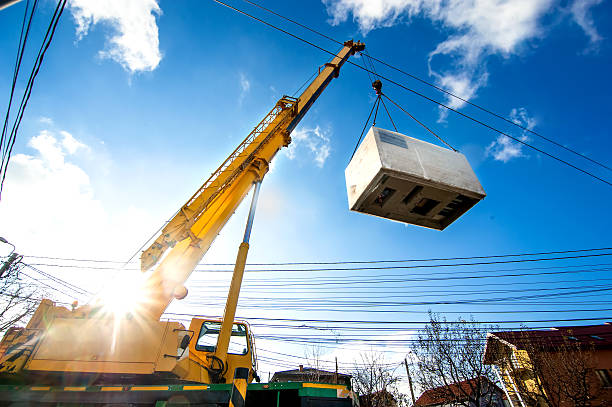
Hydraulic systems power many types of equipment, including excavators, loaders, cranes, forklifts, agricultural machinery, and industrial equipment. These systems rely on pressurised fluid moving through hoses to control mechanical movement.
When a hydraulic hose fails, the equipment may lose power, stop functioning correctly, or become unsafe to operate. A small leak can quickly become a larger issue if the hose continues operating under pressure.
Common causes of sudden hydraulic problems include:
- Damaged or worn hydraulic hoses
- Excessive operating pressure
- Loose or damaged fittings
- Abrasion from machinery movement
- Contaminated hydraulic fluid
- Incorrect hose installation
Understanding these causes helps operators recognise problems early and arrange repairs before a complete breakdown occurs.
The Importance of Fast Hydraulic Repairs
When machinery stops working, delays can quickly become expensive. A non-operational excavator on a construction site or a failed hydraulic system on industrial equipment can prevent teams from completing scheduled work.
Emergency hydraulic hose repairs provide a solution when equipment cannot continue operating due to hose damage or hydraulic failure.
Fast repairs help businesses by:
- Reducing machinery downtime.
- Preventing further damage to hydraulic components.
- Restoring equipment performance quickly.
- Improving workplace safety.
- Helping projects stay on schedule.
Professional hydraulic technicians can identify the issue, replace damaged components, and test the system to ensure it is operating correctly.
Common Situations Requiring Emergency Hydraulic Hose Repairs
Hydraulic failures can occur in many working environments. Some situations require immediate attention because equipment cannot safely continue operating.
Examples include:
Construction Equipment Breakdowns
Excavators, skid steers, loaders, and other construction machinery rely heavily on hydraulic systems. A damaged hose can stop digging, lifting, or material handling operations.
Delays on construction sites can affect project timelines, machinery hire costs, and worker productivity.
Agricultural Machinery Failures
Australian farmers rely on hydraulic equipment for tractors, harvesters, and attachments. A hydraulic hose failure during important operations can create significant interruptions.
Quick repairs allow essential machinery to return to work without unnecessary delays.
Transport and Industrial Equipment Issues
Hydraulic systems are also used in trucks, trailers, manufacturing equipment, and material handling systems. A failed hydraulic component can affect deliveries, production schedules, and daily operations.
How Professional Hydraulic Repairs Minimise Damage
Attempting temporary fixes on hydraulic systems can create additional risks. Hydraulic hoses operate under high pressure, and incorrect repairs may lead to repeated failures or safety concerns.
A professional hydraulic technician will typically:
- Inspect the damaged hose and surrounding components.
- Identify the cause of the failure.
- Select the correct replacement hose and fittings.
- Install the new component correctly.
- Test the hydraulic system before returning equipment to service.
This approach addresses the immediate issue while helping prevent the same problem from happening again.
Hydraulink Brisbane North supports businesses that require reliable hydraulic repairs and replacement solutions. Correct diagnosis and quality workmanship help equipment operators return to work with confidence.
Why Mobile Hydraulic Repairs Are Valuable
Many hydraulic failures occur at workplaces where moving equipment to a workshop is difficult or impractical. Mobile hydraulic repair services provide assistance directly at the job site.
This can reduce delays by allowing technicians to inspect and repair equipment where it is located.
Mobile hydraulic support is especially useful for:
- Construction sites
- Farms and rural properties
- Industrial facilities
- Transport yards
- Mining and earthmoving locations
Having access to on-site repairs can save valuable time compared with arranging machinery transport.
Preventing Future Hydraulic Downtime
While emergency repairs are important when failures occur, preventative maintenance helps reduce the likelihood of unexpected breakdowns.
Regular hydraulic checks should include:
- Inspecting hoses for cracks, leaks, and wear.
- Checking fittings and connections.
- Monitoring hydraulic fluid condition.
- Replacing ageing hoses before failure.
- Ensuring hoses are correctly routed and protected.
Following manufacturer maintenance schedules and conducting regular inspections can extend component life and improve equipment reliability.
Hydraulic Safety and Australian Workplace Requirements
Hydraulic systems must be handled carefully because pressurised fluid can cause serious injuries if released unexpectedly. Workers should never inspect or repair hydraulic components while equipment remains pressurised.
Australian workplace safety practices require businesses to identify risks associated with machinery operation and maintenance. Proper isolation procedures, suitable equipment, and trained technicians help reduce hazards.
Professional hydraulic repairs ensure that damaged components are replaced correctly and that machinery can return to service safely.
When to Call a Professional
You should contact a hydraulic specialist when you notice a burst hose, leaking fluid, sudden pressure loss, unusual equipment movement, or repeated hydraulic failures.
Emergency hydraulic issues should not be ignored because continuing to operate damaged equipment may increase repair costs and create safety risks.
Hydraulink Brisbane North provides hydraulic hose repairs and support for businesses needing fast solutions for damaged hydraulic systems. If your machinery has stopped due to a hydraulic issue, professional assistance can help restore operation quickly and safely.
Conclusion
Emergency hydraulic hose repairs help businesses reduce downtime by addressing failures quickly and preventing further equipment damage. Fast response, correct replacement components, and professional installation allow machinery to return to operation sooner.
Regular inspections and preventative maintenance can also reduce the risk of unexpected hydraulic failures. For reliable hydraulic hose repairs and expert support, contact Hydraulink Brisbane North to keep your equipment working efficiently.
Frequently Asked Questions
How quickly can emergency hydraulic hose repairs be completed?
Repair times depend on the equipment, location, and extent of the damage. A hydraulic technician can assess the issue and provide the appropriate repair solution.
Can I continue using equipment with a leaking hydraulic hose?
No. Operating machinery with a leaking hydraulic hose can increase damage and create safety risks. The equipment should be inspected and repaired before further use.
What causes hydraulic hoses to fail suddenly?
Sudden failures can occur due to pressure spikes, physical damage, ageing hoses, incorrect installation, or exposure to harsh operating conditions.
Are mobile hydraulic repairs available for work sites?
Yes. Mobile hydraulic repair services can assist with many equipment failures directly at construction sites, farms, industrial locations, and other workplaces.